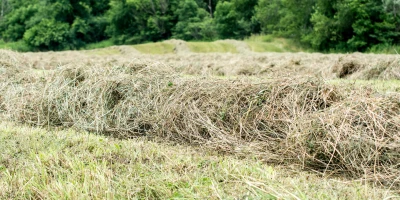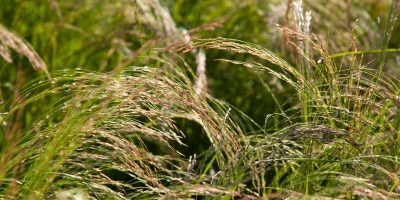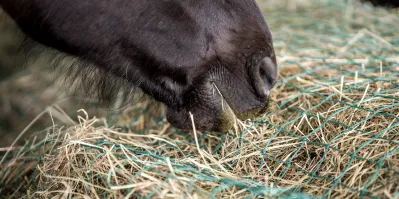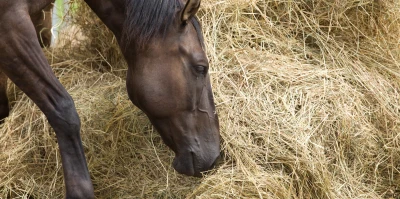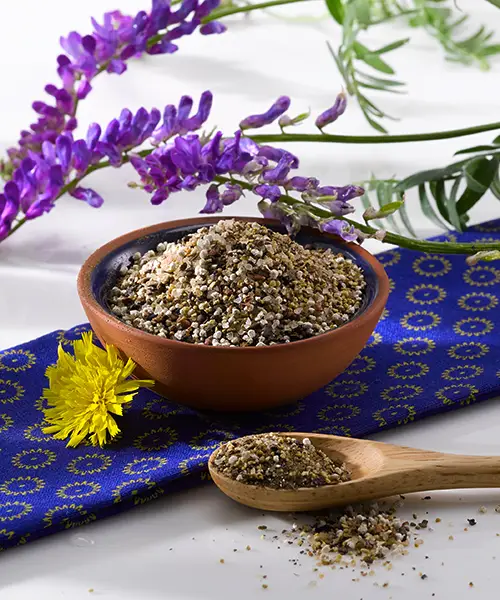
Straw instead of hay during hay shortages or for overweight horses? Analysis of the widely cited study: Why straw is not a hay replacement & key risks.
Identifying high-quality horse hay: Quality, harvest timing & storage
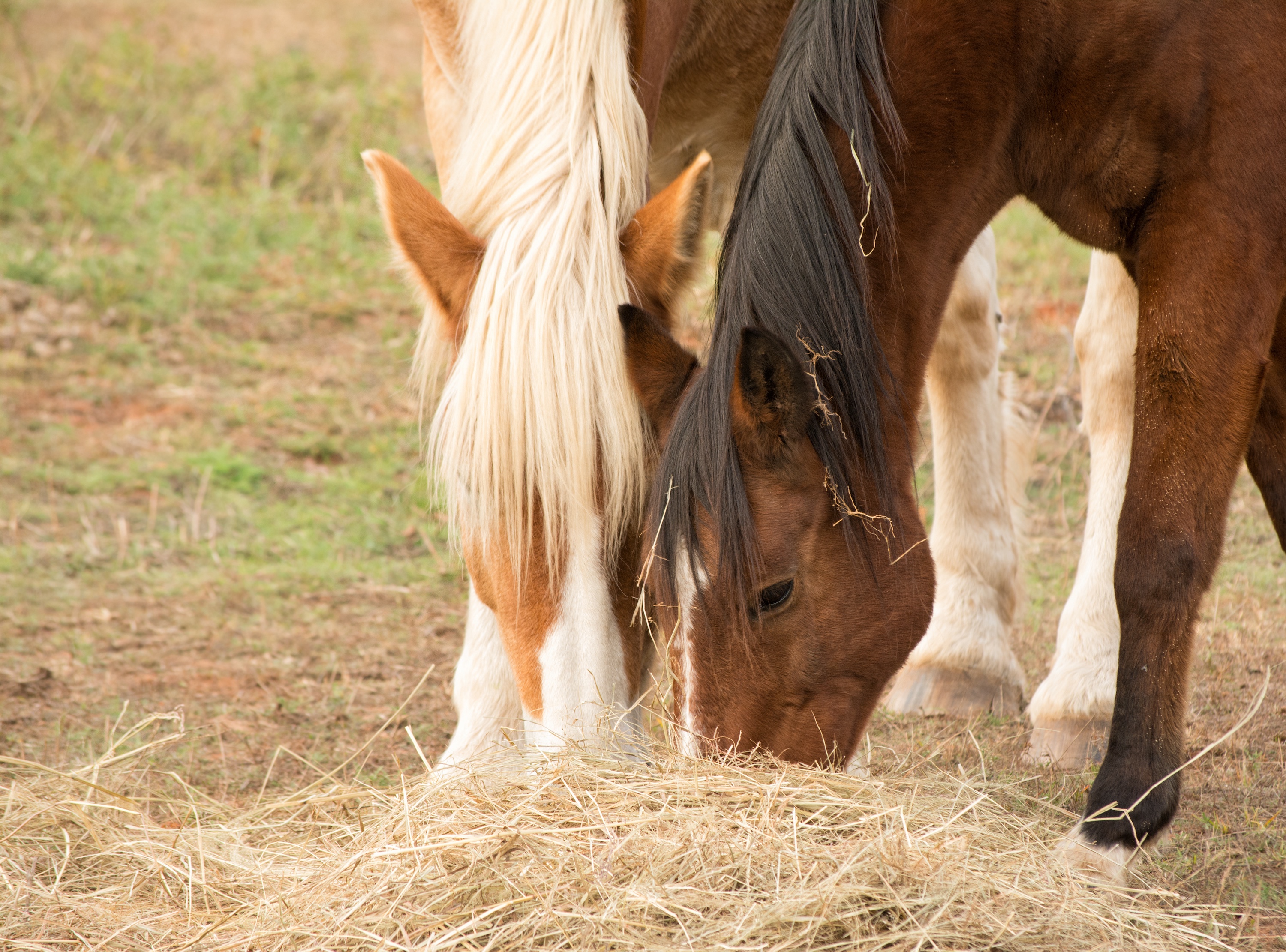
© Adobe Stock / pimmimemom
Good hay is worth its weight in gold – but how do you recognize quality and how do you store it correctly? Here you will learn everything about hay quality, harvest times, storage, and hay analysis. From dusty hay and mold to the correct amount of hay: learn how to identify high-quality hay, let it cure properly, and store it optimally. With expert knowledge on hay fleece, storage issues, and hygienic quality, you can ensure your horse receives only the best. Hay ad libitum starts with the right quality!
A note on our content. Sanoanimal’s content (articles, podcasts, videos, webinars, etc.) is based partly on scientific studies and partly on more than 20 years of practical experience within the Sanoanimal therapist network. For many relationships, methods and feeding practices involving horses, independent scientific studies do not exist or are not yet available; the corresponding statements reflect knowledge gained through experience. Our aim is to combine current scientific knowledge with the practical experience of our network. Our content makes no promises of healing or effectiveness; it does not replace examination, diagnosis or treatment by a veterinarian or trained therapist. Please do not put any of it into practice without professional guidance. Learn more: Editorial principles and disclaimer