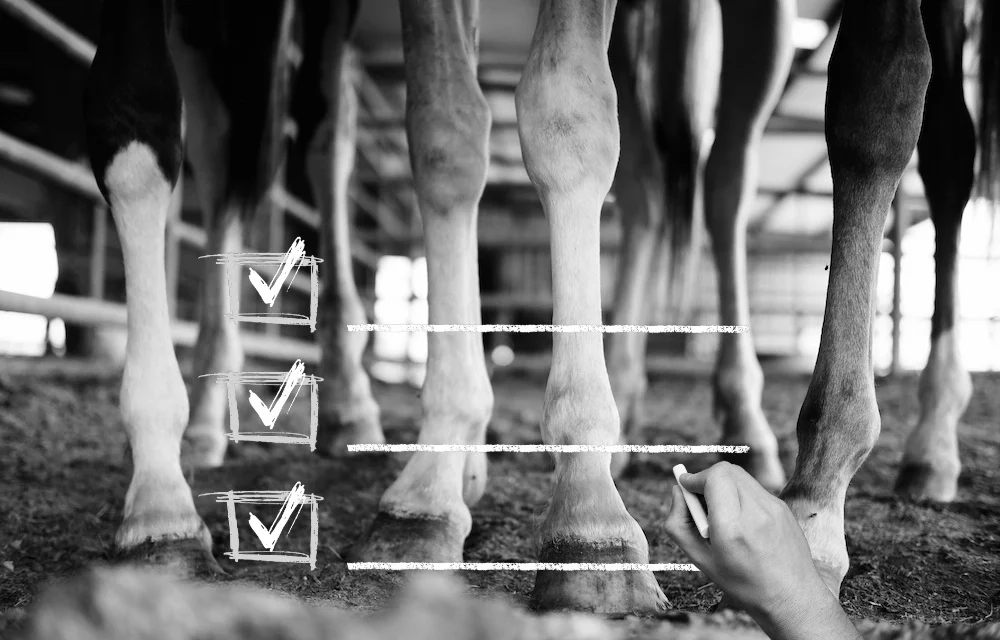
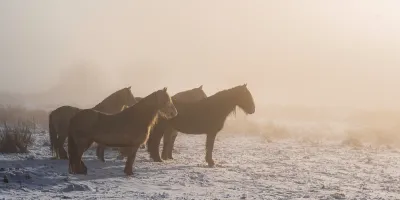
Laminitis after a cold snap? Learn about vasoconstriction, insulin regulation, and why pre-existing damage often triggers "winter laminitis".
Laminitis in Horses: Causes, Warning Signs & Immediate Actions

© Adobe Stock / Lila Patel
Laminitis is an emergency – acting quickly saves horses' lives! Here you will learn everything about the causes, symptoms, and immediate actions for laminitis. From metabolic connections and fructans to therapeutic approaches: learn how to recognize laminitis, react correctly in an emergency, and prevent it in the long term. With expert knowledge on feeding, pasture management, and the gut microbiome, you can drastically minimize the risk. Laminitis doesn't have to happen – but if it does, every minute counts!
A note on our content. Sanoanimal’s content (articles, podcasts, videos, webinars, etc.) is based partly on scientific studies and partly on more than 20 years of practical experience within the Sanoanimal therapist network. For many relationships, methods and feeding practices involving horses, independent scientific studies do not exist or are not yet available; the corresponding statements reflect knowledge gained through experience. Our aim is to combine current scientific knowledge with the practical experience of our network. Our content makes no promises of healing or effectiveness; it does not replace examination, diagnosis or treatment by a veterinarian or trained therapist. Please do not put any of it into practice without professional guidance. Learn more: Editorial principles and disclaimer