Pasture access for horses – essential or overrated? Find out why metabolism, pasture quality, and management are more important than blanket rules.
Start & End of Grazing Season: Gently Accustoming Horses to Grass

© Adobe Stock / ba11istic
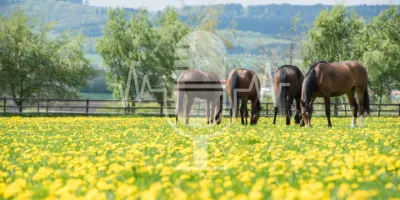
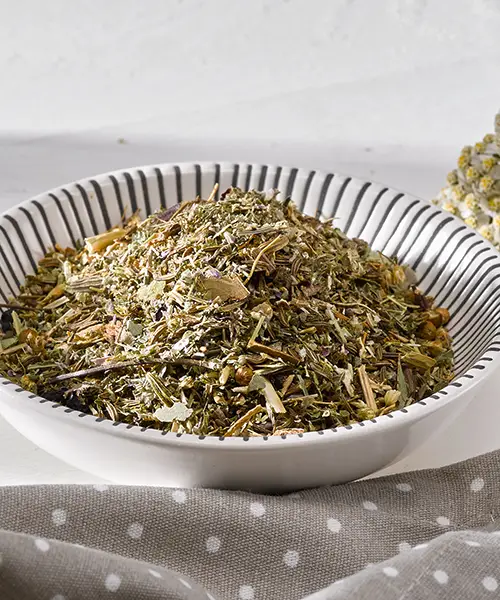
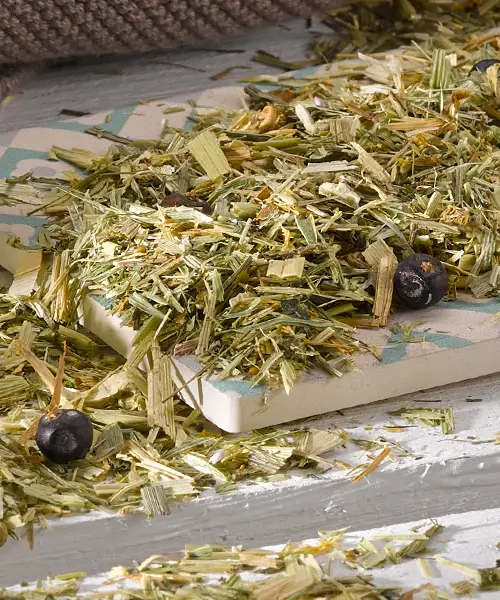
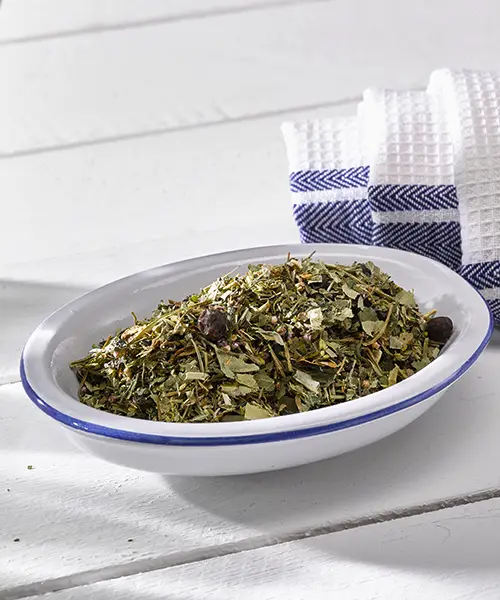
Starting the grazing season is a challenge every year – but with the right strategy, you can protect your horse from laminitis and metabolic problems! Here, you will learn how to proceed slowly, use grazing muzzles, offer hay simultaneously, and use bitter herbs for stabilization. Learn how to recognize laminitis risks and make the transition to grass safe. With practical tips for ending the grazing season in autumn, you will master this sensitive phase easily. Safety comes first!
A note on our content. Sanoanimal’s content (articles, podcasts, videos, webinars, etc.) is based partly on scientific studies and partly on more than 20 years of practical experience within the Sanoanimal therapist network. For many relationships, methods and feeding practices involving horses, independent scientific studies do not exist or are not yet available; the corresponding statements reflect knowledge gained through experience. Our aim is to combine current scientific knowledge with the practical experience of our network. Our content makes no promises of healing or effectiveness; it does not replace examination, diagnosis or treatment by a veterinarian or trained therapist. Please do not put any of it into practice without professional guidance. Learn more: Editorial principles and disclaimer