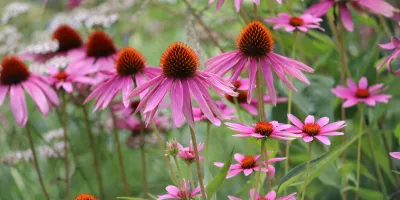
Echinacea for horses in profile: Active compounds, practical applications, and crucial advice regarding dosage, course duration & contraindications.
Fit and Happy in Old Age: How Older Horses Stay Healthy

© Adobe Stock / Superingo
From age 20 onwards, the "aches and pains" begin – older horses need special attention! Here you will learn everything about senior horse management. From feeding and exercise to common age-related problems: learn what older horses need, which problems are typical, and how to maintain quality of life. With expert knowledge on dental issues, arthritis, and winter management, you can give your senior a dignified old age. Old horses are wise – respect their age!
A note on our content. Sanoanimal’s content (articles, podcasts, videos, webinars, etc.) is based partly on scientific studies and partly on more than 20 years of practical experience within the Sanoanimal therapist network. For many relationships, methods and feeding practices involving horses, independent scientific studies do not exist or are not yet available; the corresponding statements reflect knowledge gained through experience. Our aim is to combine current scientific knowledge with the practical experience of our network. Our content makes no promises of healing or effectiveness; it does not replace examination, diagnosis or treatment by a veterinarian or trained therapist. Please do not put any of it into practice without professional guidance. Learn more: Editorial principles and disclaimer