This article was translated using AI.
Key Takeaways:
- Regular weight monitoring is especially important for senior horses
- The free Sanoanimal app helps with systematic tracking
- A slight excess weight can serve as a sensible reserve in case of illness
- Too much weight, however, puts strain on joints and metabolism
- Sudden weight loss should always be evaluated by a veterinarian
- Documenting with photos helps to detect gradual changes
- Not only total weight, but also the distribution of body mass is important
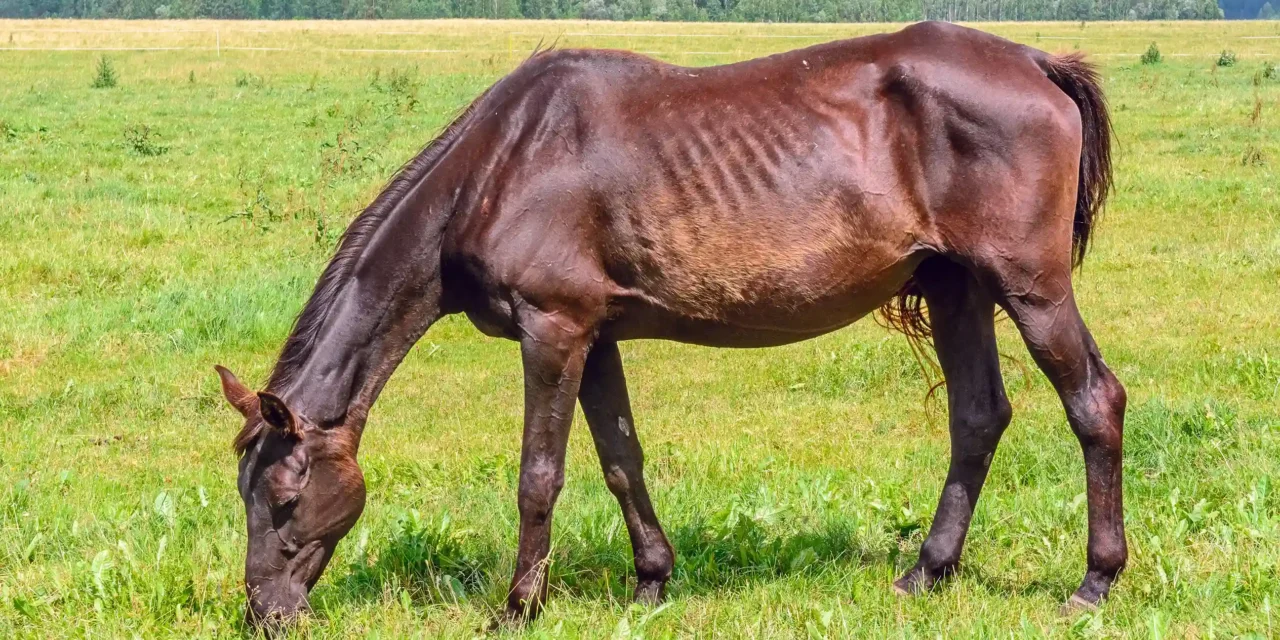
“He needs a bit of cushion for the winter” – this well-intentioned thought leads to unhealthy excess weight in many horses. Others struggle constantly to maintain the weight of their older horses, which lose condition rapidly, especially in winter or during seasonal shedding. Proper weight management for senior horses is an art in itself.
The Ideal Senior Weight
Unlike younger horses, a senior can certainly carry a little extra weight on their ribs – but within reason. A slight reserve can be valuable during periods of illness, as older horses often lose weight quickly and regain it very slowly. However, too much extra weight places a burden on joints that are often already arthritic and on the aging metabolism.
Systematically Monitoring Weight Trends
The free Sanoanimal app (available in the Google Play Store and Apple Store) makes it easy to monitor your senior horse's weight systematically. You can regularly record measurements and document them with photos. The app displays changes in clear graphs, allowing you to identify trends early and take counteraction.
The Photo Check
Regular photos taken from identical perspectives are especially valuable. It is best to photograph your horse:
- From both sides
- From behind
- From the front
- Under similar lighting conditions
- On level ground
- In a relaxed posture
Archive these photos carefully so you can easily compare them, such as comparing photos from February of this year with those from February one or two years ago. With the help of photos, you will notice not only changes in overall weight, but also in the distribution of mass.
Typical Warning Signs
Not every weight change is immediately a cause for alarm. The situation becomes critical in cases of:
- Rapid weight loss without an identifiable cause
- Significant muscle loss accompanied by fat gain
- Severely fluctuating weight
- Asymmetrical muscle gain or loss
- Progressive muscle wasting without an apparent reason
- Persistent underweight despite good feed intake
Muscle Loss or Fat Loss?
Especially in older horses, it is not just the overall weight that matters, but also its distribution. A horse may appear stable on the scales while continuously replacing muscle mass with adipose tissue. Regular tracking with the app helps you recognize such shifts at an early stage.
Causes of Weight Problems
In senior horses, several factors can influence weight:
- Dental problems and jaw joint osteoarthritis
- Metabolic changes
- Chronic pain due to osteoarthritis
- Digestive issues
- Stress from unsuitable housing conditions
- Hormonal changes
The Crucial Middle Ground
Good weight management means avoiding extremes. Instead of "fattening up" your horse in the autumn, it is far better to maintain a moderate, stable weight year-round. Regular monitoring with the app helps you find a healthy balance.
Practical tips for weight control – alongside digital documentation, there are several hands-on methods:
- Regular palpation of specific body areas
- Observation of feeding behavior
- Checking muscle tone
- Observing movement and gait
The Right Equipment
A good measuring tape is also a valuable tool. Measurements should always be taken at the exact same location. In addition, photos of typical "trouble spots" like the back, neck, or croup can be very helpful.
When to Call the Vet?
Not every weight fluctuation is alarming. However, you should consult a veterinarian in case of:
- Sudden, unexplained weight loss
- Persistent weight loss despite adjusted feeding
- Noticeable changes in feeding behavior
- Visible muscle wasting despite exercise
Monitoring Is Key
Through systematic observation of your horse and the support of the Sanoanimal app, you can easily keep your senior's weight in check. The combination of regular measurements, photos, and attentive observation helps you detect changes early and take timely corrective action.
Remember: there is no such thing as a single perfect weight. What matters more is a stable trend and a good balance between sufficient reserves and unnecessary strain. Regular documentation is your most important tool in achieving this.
More information on senior horses can be found on our topic page: Senior Horses