Is your horse restless whilst tied up? In this episode, Dr Christina Fritz explains why pawing and fidgeting often stem from panic rather than disobedience.
Podcast #31: Mash, Carrots & Oil – What Does Your Horse Really Need in Winter?
© Adobe Stock / M.Dörr & M.Frommherz
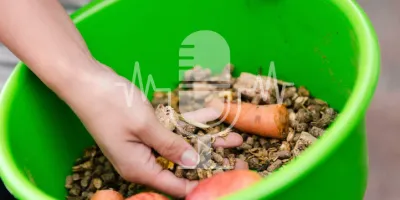
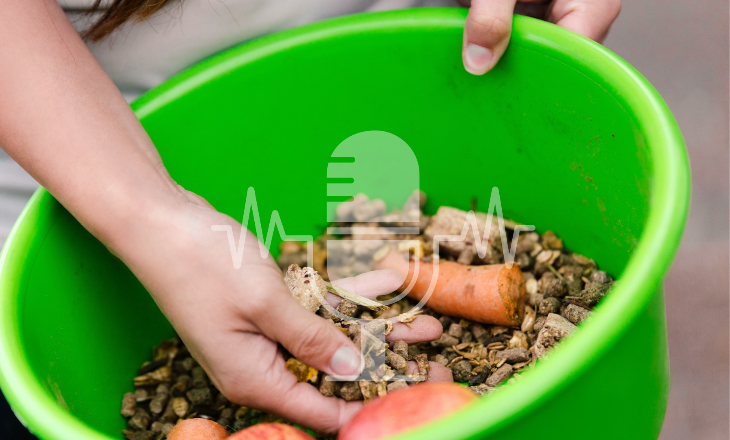
As temperatures drop, feed rooms become busy with mixing, soaking, and preparing special winter meals. Warm mash, a splash of oil, or an extra helping of carrots are often given to provide energy, keep horses warm, and supply important vitamins. But does your horse actually need these extras during winter?
In this episode, Christina Fritz explains why many well-intentioned winter feeding habits are based on misconceptions about how horses digest their food. After all, what makes sense to us humans during the colder months isn't necessarily what's best for our horses.
You'll learn:
✔️ Why warm mash doesn't necessarily help your horse stay warm from the inside
✔️ How hindgut fermentation contributes to your horse's ability to stay warm
✔️ Whether adding oil to your horse's feed is really a sensible way to provide extra energy in winter
✔️ Why feeding large amounts of carrots doesn't necessarily improve your horse's vitamin intake
✔️ What really matters when it comes to meeting your horse's nutritional needs during winter
We all want to give our horses a little extra care during the colder months. But adding more supplements and special feeds doesn't automatically mean better nutrition. What matters most is understanding how a horse's digestive system works and which nutritional needs actually change as temperatures fall.
So is that warm bucket of mash really doing your horse a favor – or does it simply make us feel better?
🎧 Listen now to discover which winter feeding myths are worth questioning and what your horse really needs during the colder months.
Listen now on Spotify!
Curious for more? Find all our podcasts HERE
A note on our content. Sanoanimal’s content (articles, podcasts, videos, webinars, etc.) is based partly on scientific studies and partly on more than 20 years of practical experience within the Sanoanimal therapist network. For many relationships, methods and feeding practices involving horses, independent scientific studies do not exist or are not yet available; the corresponding statements reflect knowledge gained through experience. Our aim is to combine current scientific knowledge with the practical experience of our network. Our content makes no promises of healing or effectiveness; it does not replace examination, diagnosis or treatment by a veterinarian or trained therapist. Please do not put any of it into practice without professional guidance. Learn more: Editorial principles and disclaimer