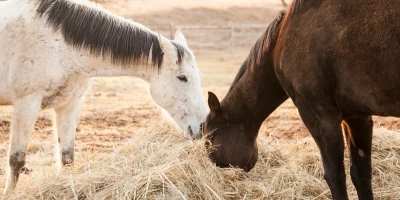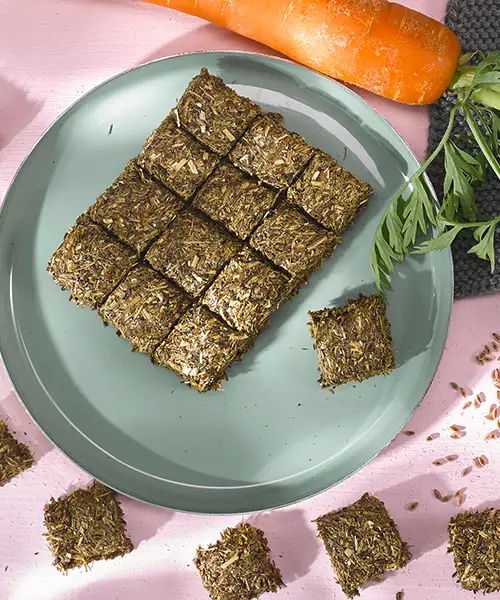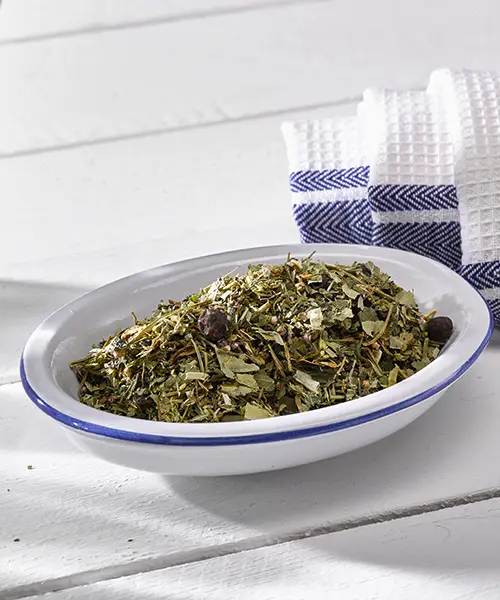
Not just sugar & starch: A high-protein diet can also increase laminitis risk in horses with EMS, insulin resistance & Cushing's!
Is Your Horse's Hay Really Too Low in Protein? It Depends on What You're Asking
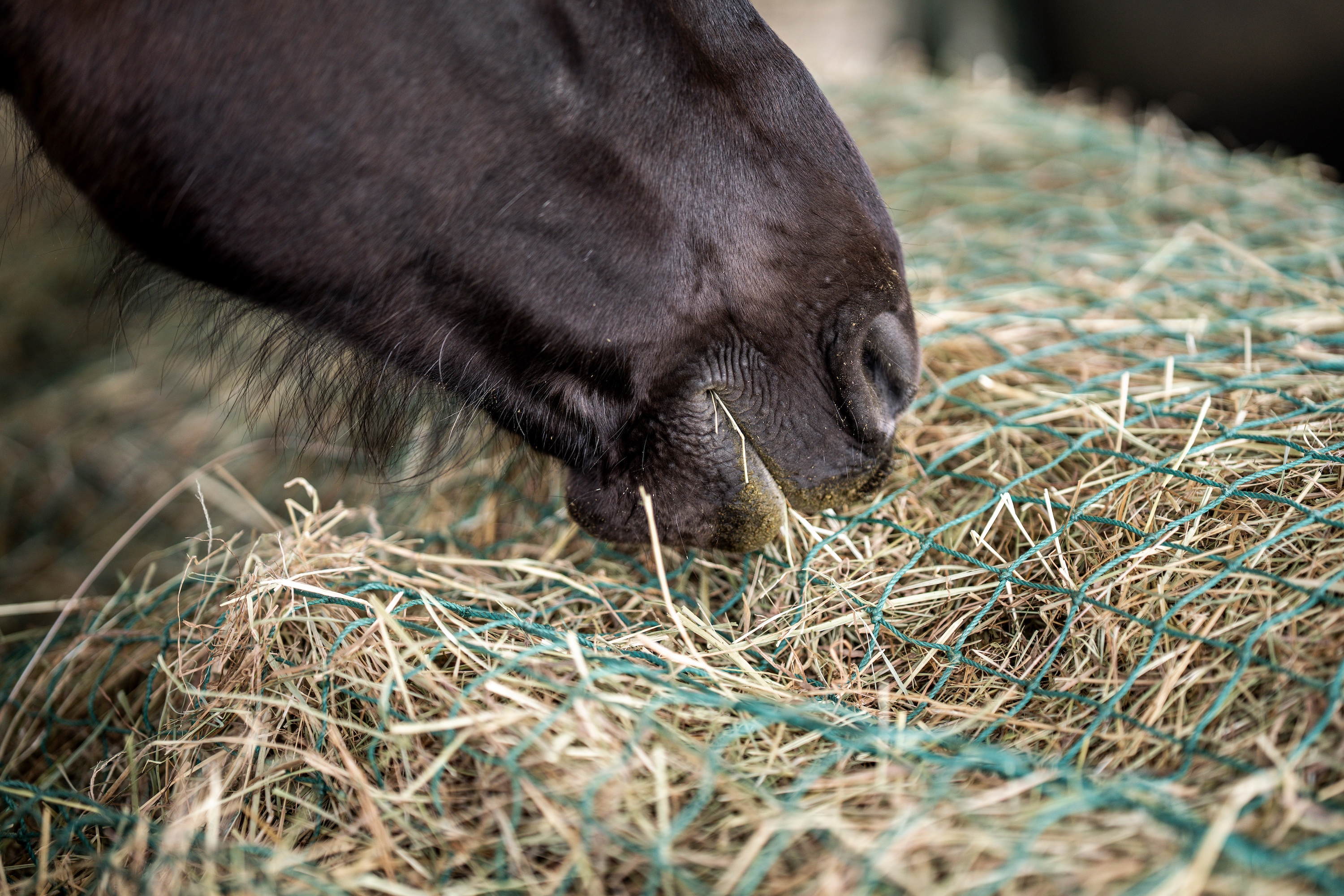
© Adobe Stock / PIC by Femke
Key Takeaways
-
Hay with 6–9% crude protein fully meets the maintenance requirements of most adult leisure horses.
-
The problem is rarely total protein quantity – it's amino acid quality, specifically lysine, methionine and threonine.
-
High crude protein does not equal good protein.
-
Overfeeding protein loads the liver and kidneys and can cause fat and lymph retention, not muscle.
-
The microbiome in the hindgut synthesises additional amino acids that current ration calculations completely ignore.
-
When protein supplementation is genuinely needed, targeted essential amino acids are more effective and safer than high-protein bucket feeds.
Protein in horse nutrition is one of the most persistently misunderstood topics in feeding advice. The blanket claim that "hay is always too low in protein" or “forage-based diets lack protein” is not wrong in every context – but it is wrong often enough that it deserves a careful look.
When hay protein is actually sufficient
A 500kg horse in light to moderate work needs roughly 650–750g of digestible crude protein per day. A horse eating 10kg of hay at 8% digestible crude protein is consuming 800g of protein – already above that figure, before accounting for what the hindgut microbiome contributes on top.
Protein requirements increase meaningfully in specific situations: lactating mares in the first months of nursing, foals and young horses actively growing, horses in very heavy training building significant muscle mass, and older horses with progressive muscle atrophy. For most leisure and lightly worked horses, a solid hay-based diet is not protein-deficient.
The amino acid question is the right one to ask
Where hay-based diets can genuinely fall short is not in total protein but in specific essential amino acids, particularly lysine. Lysine is the primary limiting factor in equine protein utilisation – no matter how much total protein is available, if lysine is insufficient, the rest cannot be used efficiently. Methionine and threonine play supporting roles.
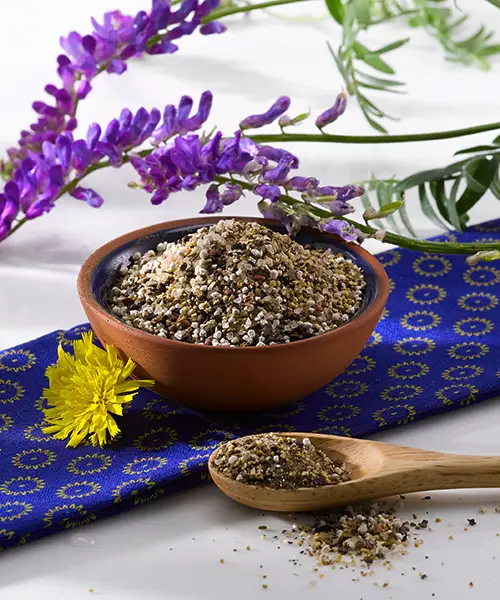
The practical solution here is not a bucket full of peas, potato protein or whey, all of which carry their own digestive and metabolic considerations. It is a targeted supplement of the essential amino acids themselves, or forage legumes such as sainfoin (esparsette) or lucerne, which provide fibre-based protein with an excellent amino acid profile and are far gentler on the hindgut than pea- or soy-based proteinsources.
A note on overfeeding protein
It's worth saying clearly: more protein is not better. Excess protein is not stored as muscle. It is broken down in the liver, with the nitrogen excreted as urea via the kidneys. Chronically high protein diets load the liver and kidneys, can raise blood urea, and in horses that are not doing the work to justify it, the carbon skeleton of the aminoacids gets converted to glucose and / or fat – contributing to weight gain, fat deposition, or lymph retention depending on the horse's metabolic type. Many horses that look “round” are not muscled – they are protein-overload-fat.