Feeding studies vs. practice: Why measurement errors and short study durations are deceptive. Overview of all findings on the various forms of roughage.
Podcast #23 Insect Management for Horses – More Than Fly Sprays and Fly Sheets
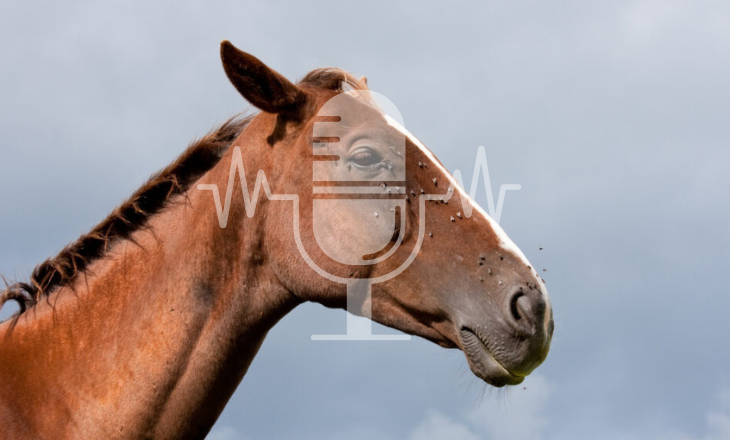
© Adobe Stock / rekemp
Flies, horseflies, midges, and other biting insects can make summer miserable for both horses and their owners. But have you ever wondered why some horses seem to attract insects far more than others?
In this episode of the Sanoanimal Podcast, Christina Fritz explains why effective insect management goes far beyond fly sprays and fly sheets. The key is not only what happens around your horse in the stable and pasture, but also what happens inside your horse’s body.
In this episode, you'll learn:
✔️ Why standing water and poor manure management create ideal breeding grounds for insects
✔️ How swallows, bats, and other natural predators can help keep insect populations under control
✔️ Why pasture management plays a major role in insect pressure
✔️ Why dark-coloured horses are often more attractive to horseflies than lighter-coloured horses
✔️ The possible connection between blood sugar levels, metabolism, and a horse’s attractiveness to insects
✔️ Why sugar-rich feeds, concentrates, and unsuitable grazing may influence how attractive horses are to biting insects
✔️ How supporting the liver, kidneys, and metabolism can be part of a holistic insect-management strategy
✔️ What to consider when using fly sprays, fly masks, and sweet itch rugs
Sustainable insect management is not about eliminating insects altogether. Instead, it’s about creating conditions around your horse that make the environment less attractive to insects, while helping your horse become less appealing to them in the first place.
🎧 Tune in now and discover why the most effective insect protection often starts with management and nutrition—long before you reach for a fly spray.
Listen now on Spotify and dive deeper into the topic.
Curious for more? Find all our podcasts HERE