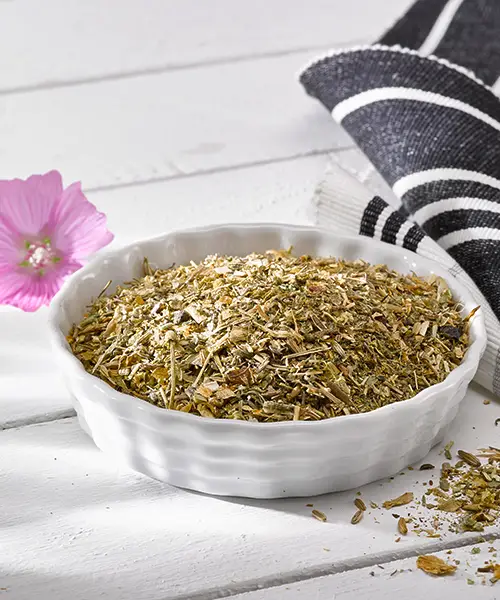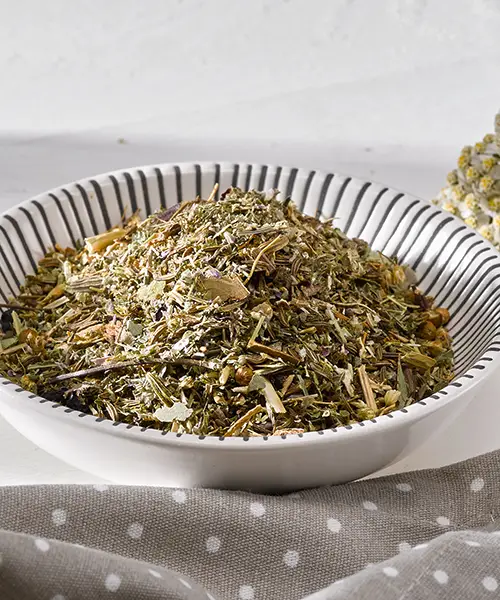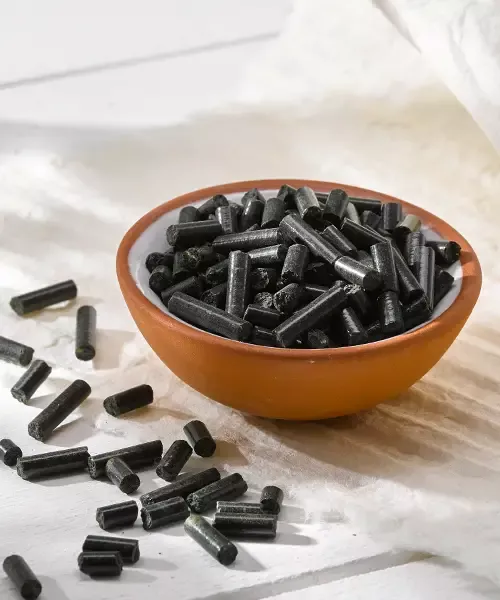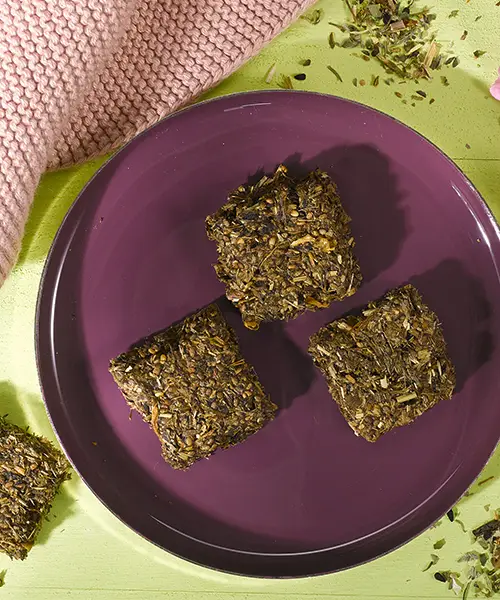
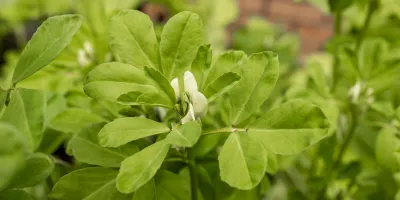
Fenugreek is known as a restorative herb for horses. Learn how it supports appetite, digestion & stomach – and why caution is advised with EMS and laminitis.
Podcast #33: Is My Horse Happy? – How to Recognize Genuine Well-Being
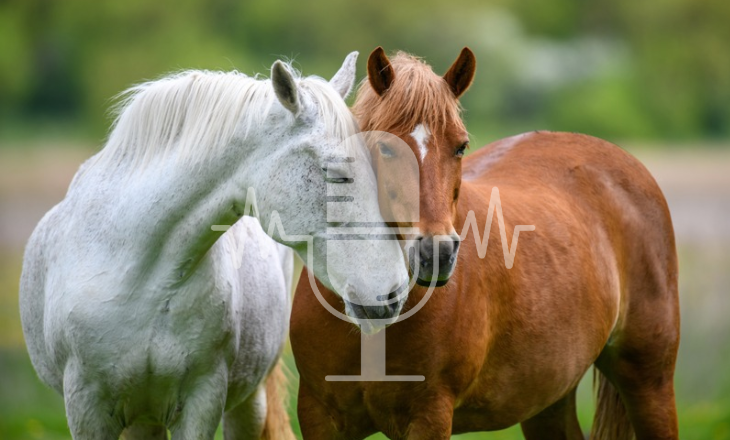
© Adobe Stock / byrdyak
Your horse eats well, behaves nicely under saddle, and might even come running when it sees you. So surely that means your horse is happy – right? Unfortunately, it's not quite that simple. What we humans interpret as happiness and contentment doesn't always reflect how our horses actually feel.
In this episode, Christina Fritz explains why we often view our horses' well-being through a human lens. Drawing on fascinating scientific research, she explores how horses express their needs and emotions, and why a quiet, obedient horse isn't necessarily a happy horse.
You'll learn:
✔️ Why we often misinterpret our horses' behavior, even with the best intentions
✔️ How to recognize signs of genuine relaxation and contentment in your horse
✔️ Why obedience and good behavior don't automatically mean your horse is happy
✔️ How living conditions, social relationships, and training influence your horse's well-being
✔️ What scientific studies reveal about horses' emotions, needs, and communication
We all want our horses to live happy, fulfilling lives. But good nutrition, plenty of movement, and a healthy appearance aren't the whole story. Sometimes, it's the subtle signals that tell us the most about how our horses truly feel.
How well do you really know your horse – and would you recognize the signs if it was simply going through the motions rather than genuinely enjoying life?
🎧 Listen now to discover how to better understand your horse's signals and become more aware of its emotional well-being in everyday life.
Listen now on Spotify!
Curious for more? Find all our podcasts HERE
A note on our content. Sanoanimal’s content (articles, podcasts, videos, webinars, etc.) is based partly on scientific studies and partly on more than 20 years of practical experience within the Sanoanimal therapist network. For many relationships, methods and feeding practices involving horses, independent scientific studies do not exist or are not yet available; the corresponding statements reflect knowledge gained through experience. Our aim is to combine current scientific knowledge with the practical experience of our network. Our content makes no promises of healing or effectiveness; it does not replace examination, diagnosis or treatment by a veterinarian or trained therapist. Please do not put any of it into practice without professional guidance. Learn more: Editorial principles and disclaimer