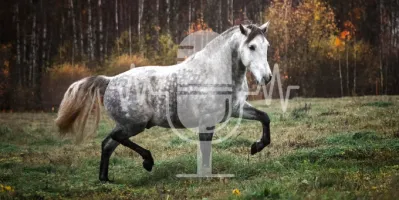

Many horses come out of the grazing season a little “chubby”. At first, this is a completely normal process: the horses gain weight over the summer and lose it again in the winter. It is therefore not of any drama if the horse is now carrying around a bit of overweight.
You just have to make sure that it loses this weight again over the winter. So any supplementary feeding should be done with care. Also make sure that they get enough fast exercise under saddle.
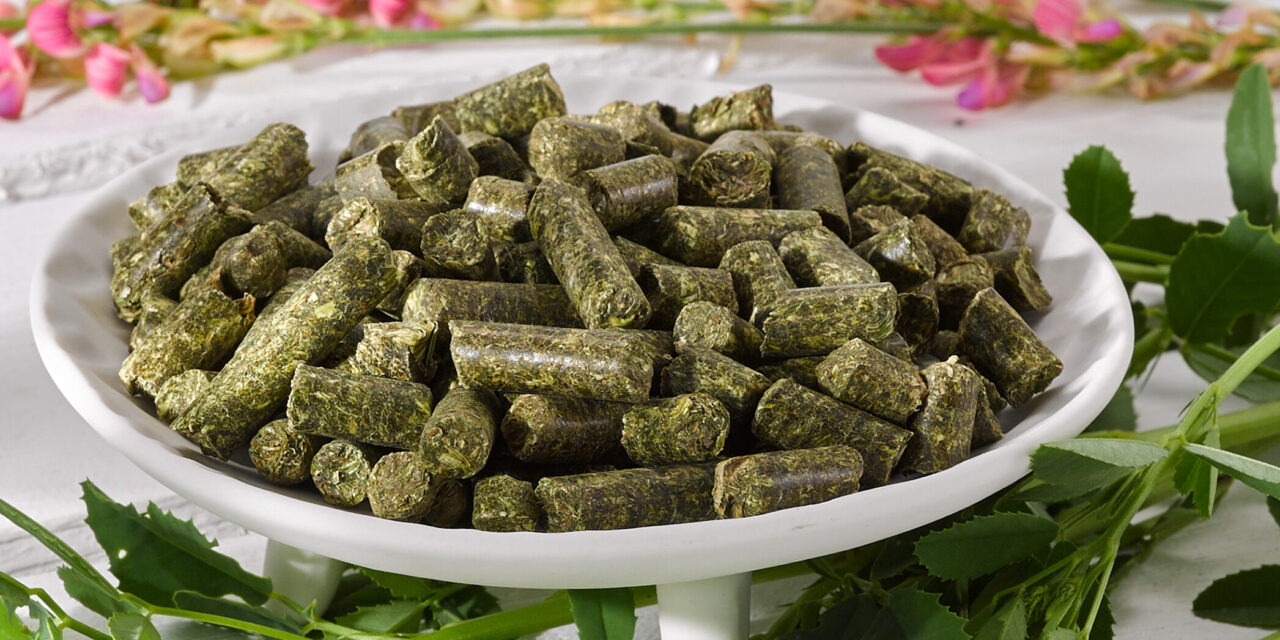
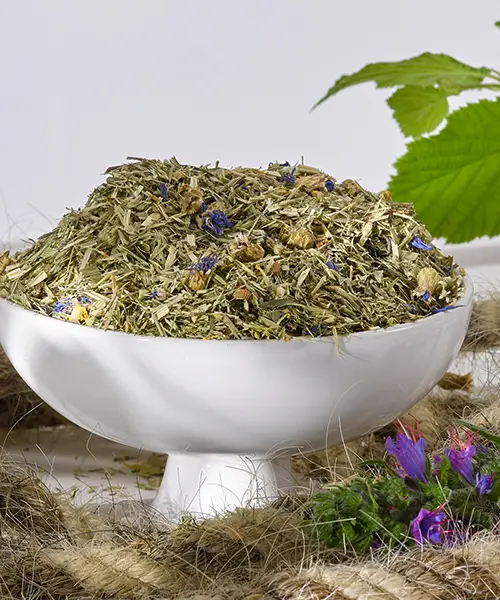
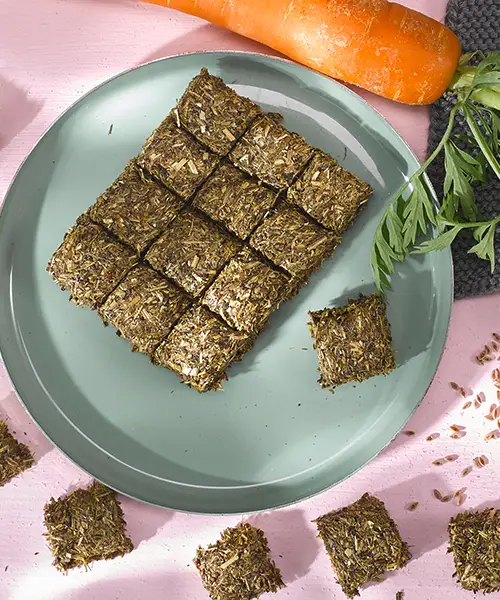
Horses that come out of the grazing period rather ribby, such as old horses or hard keepers, can be provided with more protein. You can do this by feeding them soaked sainfoin pellets, vital pellets (e.g. from OKAPI) or alfalfa pellets. This makes it easier for them to maintain weight or even gain some weight during the hay season. Old horses should also early enough be given soaked hay pellets as an addition to unlimited hay feeding to prevent weight loss over the winter.
Keep older horses a little “chubby”
For horses aged 20 and older, maintaining a slightly higher weight during the winter is advisable. It contributes to their well-being more effectively than being excessively thin. As older horses are more susceptible to illness, such as during a cold outbreak in the stable, their condition can deteriorate rapidly within a short period. You’ll appreciate every additional kilogram of weight that’s on your horse’s ribs before that outbreak comes.
In essence, the principle to remember is that horses can have a slightly rounder appearance in autumn from every perspective. But by spring, any excess weight should have naturally disappeared. The ideal weight is achieved when you let your horse bend to one side, and the ribs become visible from the other side.
If the ribs are not visible, the horse is considered to be carrying excess weight. Whereas if all the ribs are clearly visible in the horse’s normal stance, it is deemed to be too thin. Before the grazing season begins again, the horses are allowed to appear slightly ribby. This is when they begin to regain weight throughout the summer.
The overarching guideline for horses aged between 6 months and 20 years is to maintain a slightly leaner condition rather than being overly overweight. After reaching the age of 20, the approach reverses. Then it becomes more favorable for horses to be slightly overweight than too thin.