
This article was translated using AI.
Colic is not a new disease in horses; as early as the beginning of the 19th century, medical treatises were published dealing with this subject.
Even back then, it was already known that many factors play a role in its development, from feeding to exercise. And it was also known that “animals suffering from poor digestion, in which the manure passes almost undigested and in large, loosely connected balls emitting a sourish smell” (1) were particularly prone to colic. This has not changed to this day.
Even today, the medical history of many horses with colic reveals potential causes related to species-inappropriate feeding as well as other digestive and metabolic disorders.
Colic Particularly in Winter
But why are some horses particularly prone to impaction colic in winter, while this does not seem to be a problem in summer?
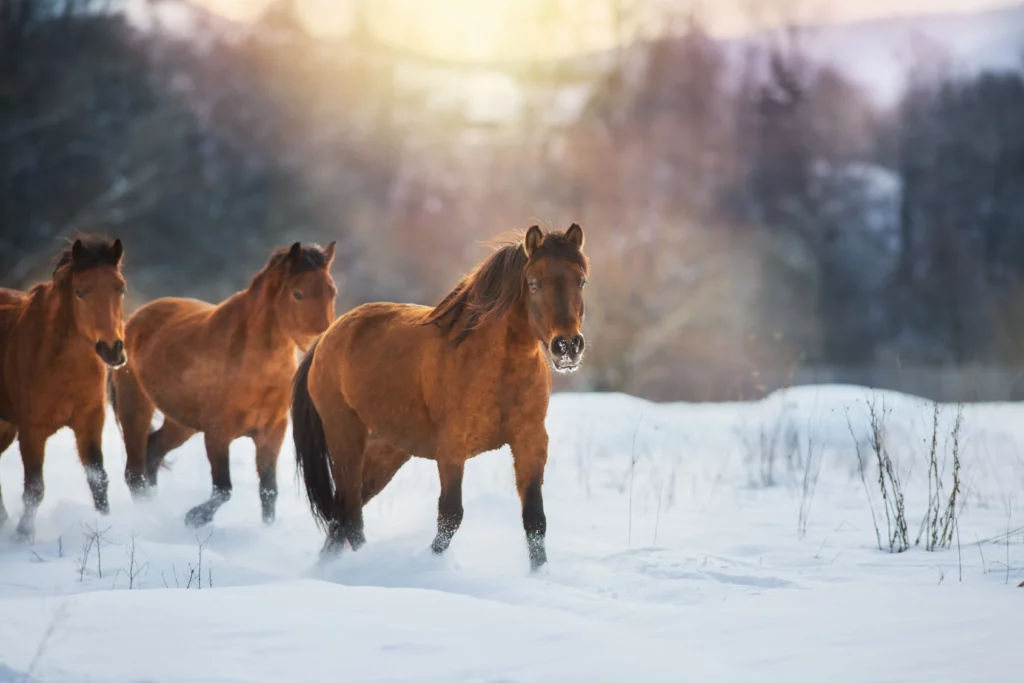
This is usually due to two factors: hydration status and lack of exercise. Studies have shown that wild horses also move less in winter than in summer, presumably to conserve energy. Our domestic horses already move significantly less than wild horses to begin with.
While wild horses travel an average of about 25 km per day (depending on habitat, season, and food/water availability), it can be assumed that a horse kept in a conventional open stable covers between one and three kilometers a day.
In a well-designed paddock trail system with plenty of movement incentives, horses typically cover about ten to twelve kilometers daily, whereas in stall confinement this drops to only about 800 meters.
Physical Exercise to Stimulate the Gut
Since physical exercise plays a crucial role in stimulating peristalsis and thereby moving the digesta forward through the intestines, these figures make it readily apparent: the less movement, the more sluggish the gut.
In summer, with ample turnout on pasture and long evening rides, gut motility is actively stimulated. In winter, standing around in the paddock or in a run-in box stall, combined with perhaps a bit of clicker training in the drizzle in the round pen, the level of physical activity is so low that locomotion barely aids in propelling the digestive contents forward.
However, a sluggish gut is only one side of the story.
Added to this is the physiological function of the large intestine. Up to the end of the small intestine, fluid is continuously added to the ingestive chyme: saliva, gastric juice, bile, and pancreatic secretions—along with the water consumed—add up to 50–100 liters of water transported through the digestive tract within 24 hours.
Only in the large intestine is this process reversed; fluid is now gradually extracted from the digesta so that, in the end, firm fecal balls leave the horse.
The rate of reabsorption depends on various factors, including the concentration of electrolytes and water in the digesta as well as the speed of peristalsis. The slower the digesta moves forward, the more fluid is extracted.
This is where exercise comes back into play: a sluggish gut is far more prone to impaction than one stimulated by frequent and steady movement.
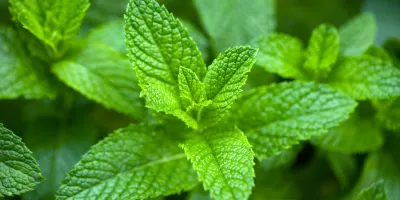
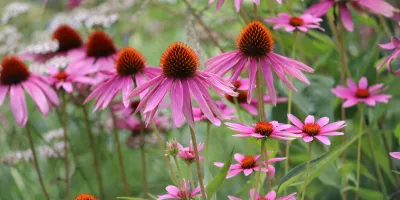
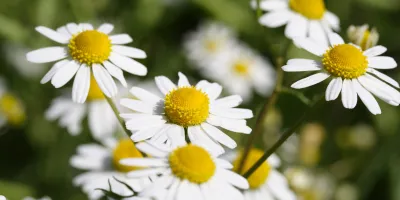
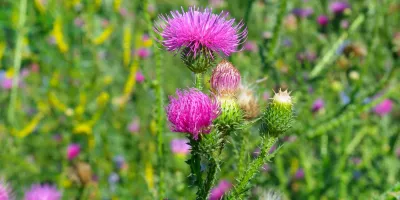
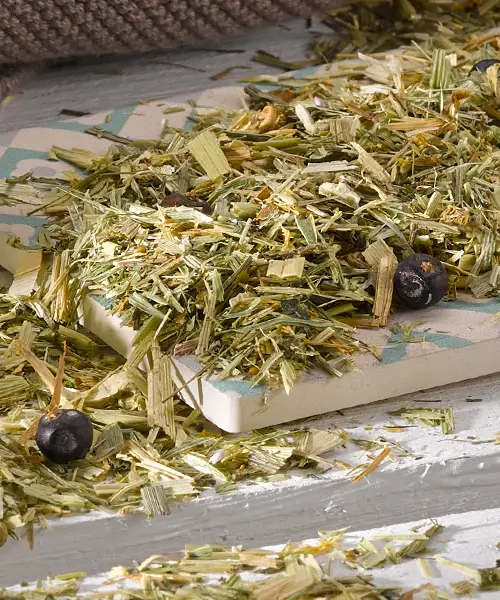
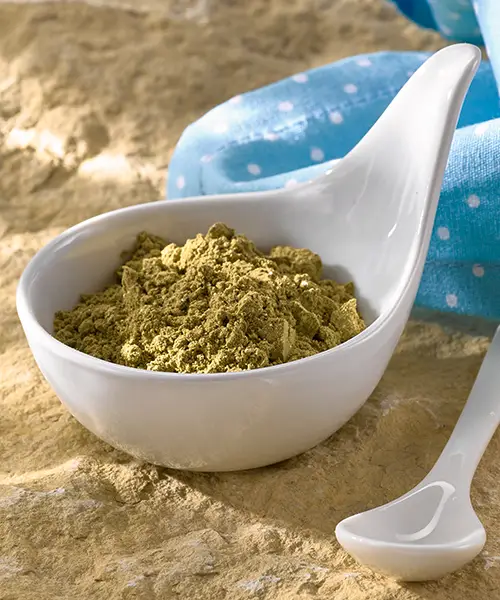
Consequently, stabled horses face a higher risk of impaction colic than horses kept in a well-managed paddock trail environment with ample incentive to move. In addition to a daily exercise routine, the regular, course-based administration of bitter herbs can help stimulate peristalsis to keep digestive contents moving smoothly through the intestinal tract.

The Amount of Water Consumed Also Plays a Crucial Role
Healthy horses typically drink between 30 and 50 liters of water per day.
Drinking water is therefore essential to sufficiently fluidize the digesta so that it can be transported without obstruction. Fresh pasture grass naturally contains a high moisture content, which is why even horses that drink little tend to experience fewer problems during summer.
Hay, by contrast, absorbs water avidly and swells significantly. The less a horse drinks, the higher the risk that the digesta lacks adequate moisture. If water is then further extracted in the large intestine, it can quickly inspissate to the point where transport is barely possible. Combined with sluggish peristalsis, impaction colic is practically inevitable.
The reasons why a horse drinks too little can be manifold. For instance, the way water is presented plays an important role. Over recent decades, automatic drinkers have become widespread in horse barns.
They are convenient because there is no need to haul water buckets or scrub large troughs. However, many horses are reluctant to drink from conventional automatic drinkers. Horses drink by “slurping”—that is, they purse their lips and draw in water by suction. This is comparable to drinking through a straw. Using a straw in a glass of water works very well. However, trying to drink through a straw from a running faucet is exceedingly cumbersome, as one swallows a great deal of air that inflates the stomach.
While humans can easily relieve this trapped air by burping, horses are physiologically incapable of eructation (burping). The air uncomfortably distends the stomach and must then be laboriously passed into the small intestine, which can trigger abdominal pain. It is hardly surprising that horses are reluctant to drink under such conditions—especially when these automatic drinkers are improperly adjusted, flow too slowly, or cause water to bubble, leading them to swallow air.
For some horses, this issue can be resolved simply by watering them from a bucket or installing a float-valve drinker, which is nowadays available at affordable prices. These drinkers maintain a consistent water level, ensuring horses always have an open water surface available and encouraging them to drink enough.
However, offering water in a different container does not help in every case. Even when a bucket is provided, some horses persistently ignore it. In these instances, there is a strong suspicion that the horse is suffering from gastric ulcers.
Research has shown that horses with gastric ulcers frequently avoid drinking cold water, whereas warm water is readily accepted.
In healthy horses, the opposite is true: they consistently prefer cold water over warm water. If you suspect that your horse is drinking too little, you should offer a bucket of lukewarm water. If the horse drinks this eagerly and greedily while otherwise only taking small sips from the large, cold bucket, the suspicion of gastric ulcers is substantiated.
In that case, there is no way around it: you must offer your horse sufficiently large amounts of warm water at least once daily (ideally morning and evening) while concurrently initiating treatment for gastric ulcers. Only when the stomach lining has thoroughly healed will the horse resume drinking cold water in adequate amounts.
Conclusion
If you have a horse in the stable prone to impaction colic in winter, you should always address both aspects: exercise and water supply. Optimizing only one of them is often not enough.
Learn more: Immediate measures for colic and Factsheet: Gastric Ulcers
(1) Über die sichere Heilung der Kolik des Pferdes [On the reliable cure of colic in the horse], an inaugural dissertation by Friedrich Wilhelm Brunswig, Rostock 1831