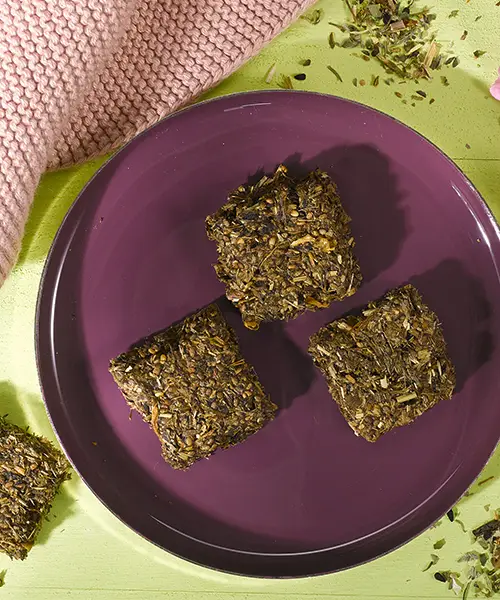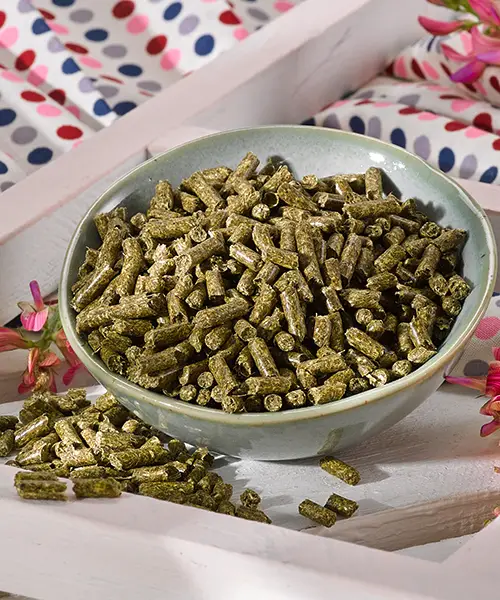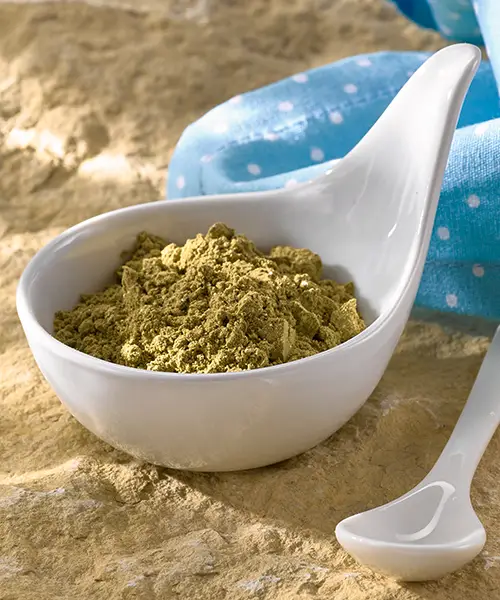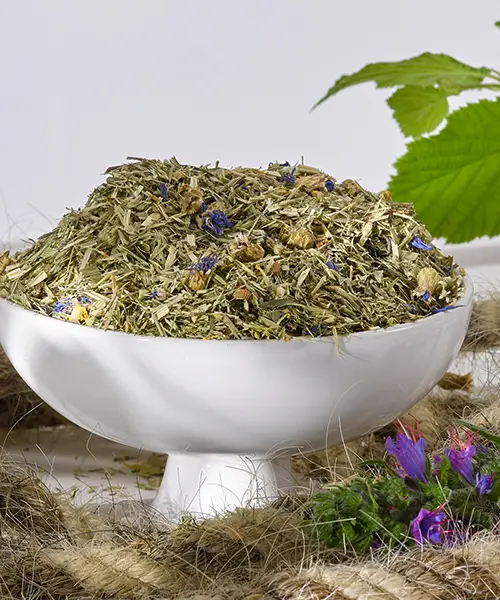
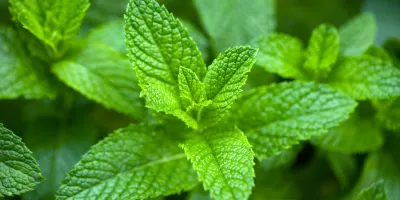
Discover what peppermint leaves do for digestion and the stomach, the proper dosage for horses, and how to prepare soothing peppermint tea.
Podcast #20 Supporting Detoxification in Horses – After Dewormers, Medication & Metabolic Stress
© Adobe Stock / Debra Lawrence
Dewormers, antibiotics, pain medication or sedation – sometimes medication is necessary and important. But what actually happens inside the horse’s body afterwards? And how can we support the liver, kidneys and overall metabolism so the body can process these substances as effectively as possible?
In this podcast episode, we talk about why periods such as coat changes, medication, vaccinations or feed transitions can place extra strain on the metabolism – and which supportive approaches may help horses recover more smoothly.
You’ll learn:
✔️ Why the liver and kidneys are especially challenged after medication
✔️ Why proper basic feeding is the foundation of every detox support plan
✔️ Which herbs can naturally support liver and kidney function
✔️ What Bentonite, Zeolite & similar binders actually do
✔️ How homeopathy and energy work can complement recovery
✔️ Why movement and exercise are often underestimated when supporting detoxification
✔️ Why “random detoxing” can actually become problematic in horses with chronic metabolic issues
This episode is for horse owners who want to support their horses thoughtfully after dewormers, medication or other metabolic stressors — with a holistic understanding of metabolism, nutrition and recovery.
🎧 Tune in now and learn how to gently support your horse’s metabolism so the body can return to balance naturally.
Curious for more? Find all our podcasts HERE
A note on our content. Sanoanimal’s content (articles, podcasts, videos, webinars, etc.) is based partly on scientific studies and partly on more than 20 years of practical experience within the Sanoanimal therapist network. For many relationships, methods and feeding practices involving horses, independent scientific studies do not exist or are not yet available; the corresponding statements reflect knowledge gained through experience. Our aim is to combine current scientific knowledge with the practical experience of our network. Our content makes no promises of healing or effectiveness; it does not replace examination, diagnosis or treatment by a veterinarian or trained therapist. Please do not put any of it into practice without professional guidance. Learn more: Editorial principles and disclaimer