
Gastric ulcers in horses can manifest in a wide variety of ways—and some signs may seem completely inconspicuous at first glance. It is not always immediately apparent that stomach issues are the underlying cause of certain changes. This makes it all the more important to observe your horse closely and take even minor changes seriously. In this article, you will learn which signs may indicate gastric ulcers and when it is worth taking a closer look. Read article
When horses belch, it is a warning sign. Find out how gastric gas accumulation develops and what you should keep in mind. Read article
Understanding Equine Gastric Ulcers & Minimizing Risk: Key Facts About Stomach Problems at a Glance. Read article
How effective is Pronutrin in Gastric Ulcers really? We analyze studies, gastric pH levels, and feeding errors! Read article
Deworming – routine or risk? Find out why traditional deworming is increasingly viewed critically and the role played by resistance. Learn how modern, selective deworming based on fecal samples works, when treatment is truly necessary, and how you can sustainably support your horse's gut health. Read article

Discover the advantages and disadvantages of both approaches and learn how to choose the best parasite control strategy for your horse. Read article

Does every horse need deworming in autumn? Learn when treatment is necessary and how modern parasite control can help keep your horse healthy. Read article
How can you support your horse after deworming and medication? Information on herbs for the liver and kidneys, zeolite, and more. Read article

KPU in horses is a complex and controversial topic. Various health issues – such as skin abnormalities, digestive problems, respiratory issues, or metabolic irregularities—are frequently linked to KPU. But which connections are actually plausible? This article examines the potential causes and mechanisms behind KPU and explains the roles that disrupted gut flora, zinc deficiency, and vitamin B6 can play. Read article

KPU is now a widespread metabolic disorder in horses. Find out more about feeding and therapy. Read article

Find out which blood values indicate KPU in your horse and how the gut, metabolism and nutrient supply are interconnected. Read article
Why is my black horse suddenly turning brown? New findings reveal: zinc deficiency and liver problems are often the true cause of the pigmentation issue! Read article

For decades, it was believed that horses simply could not develop diabetes. We now know that horses can indeed develop type 2 diabetes, with insulin resistance as a precursor. But how does insulin resistance develop, and what role do nutrition and management play? In this article, we explain the causes and show how targeted management can reduce the risk of laminitis and support metabolism. Read article
EMS, Cushing, Insulin Resistance - Lifestyle diseases or metabolic disorders? Essential information for horse owners. Read article

Type 2 diabetes also occurs in horses. Find out what selenium has to do with insulin resistance and which measures are advisable. Read article

Find out when using ertugliflozin might be appropriate and why treating the underlying cause takes priority for your horse. Read article
Overweight horses have become increasingly common, yet traditional recommendations such as feeding less and exercising more often fail to deliver lasting results. Many horses do not lose weight sustainably despite being on a diet, or they quickly regain the weight they have lost. In many cases, there is more to the issue than simply “too much feed”. In this online seminar, Dr Christina Fritz explains the complex causes of obesity in horses and why conventional dieting approaches are often insufficient and can sometimes even be counterproductive. Read article

Overweight horses and ponies need effective weight management. Here are five tips to support a healthy body condition. Read article
EMS, Cushing’s disease and insulin resistance – fashion diagnoses or genuine metabolic disorders? Essential information for horse owners. Read article
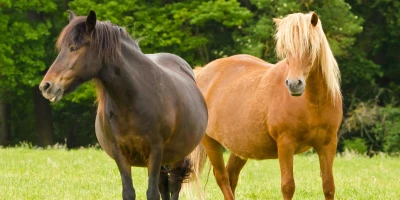
Overweight Horses Can Still Go Out to Pasture – If Managed Correctly. Learn how to minimise the risks. Read article

Sweet itch is one of the most common and frustrating allergic skin conditions in horses, often triggered by the saliva of biting midges. Many owners struggle with managing recurring symptoms such as intense itching, hair loss and inflamed skin. In this factsheet, we explain what really lies behind sweet itch, how to recognise the condition early, and which management strategies can help improve your horse’s comfort and quality of life. Read article
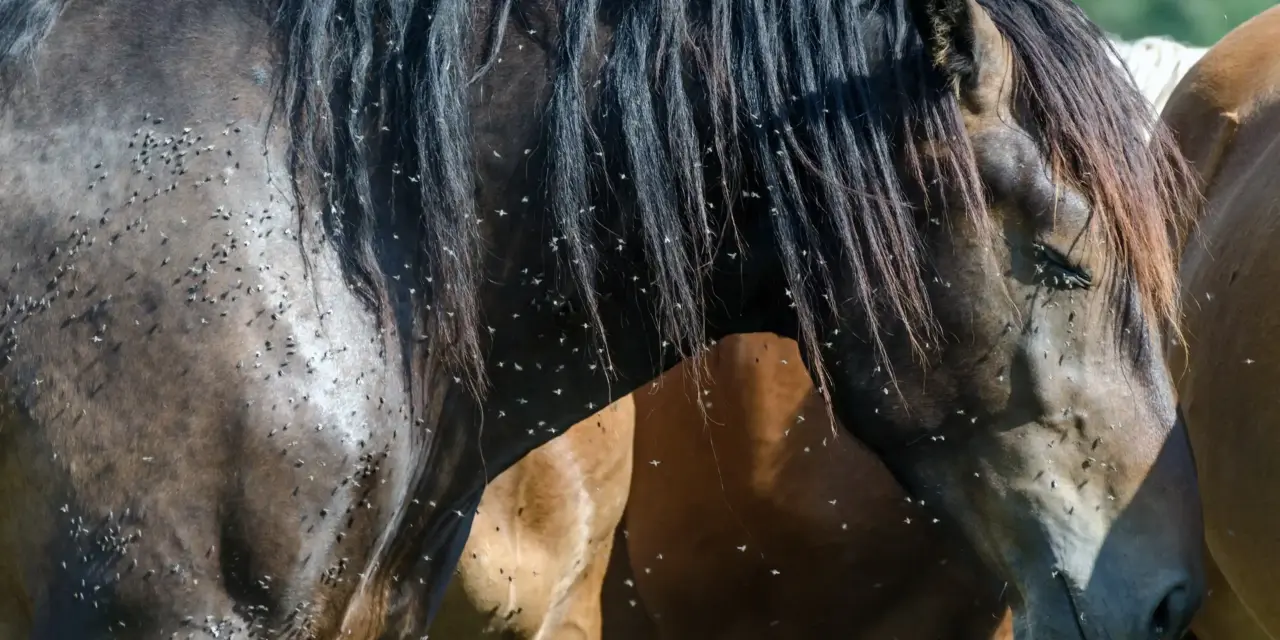
Flies, midges and horseflies are more than just a nuisance – find out what serious health risks insects can pose to your horse. Read article
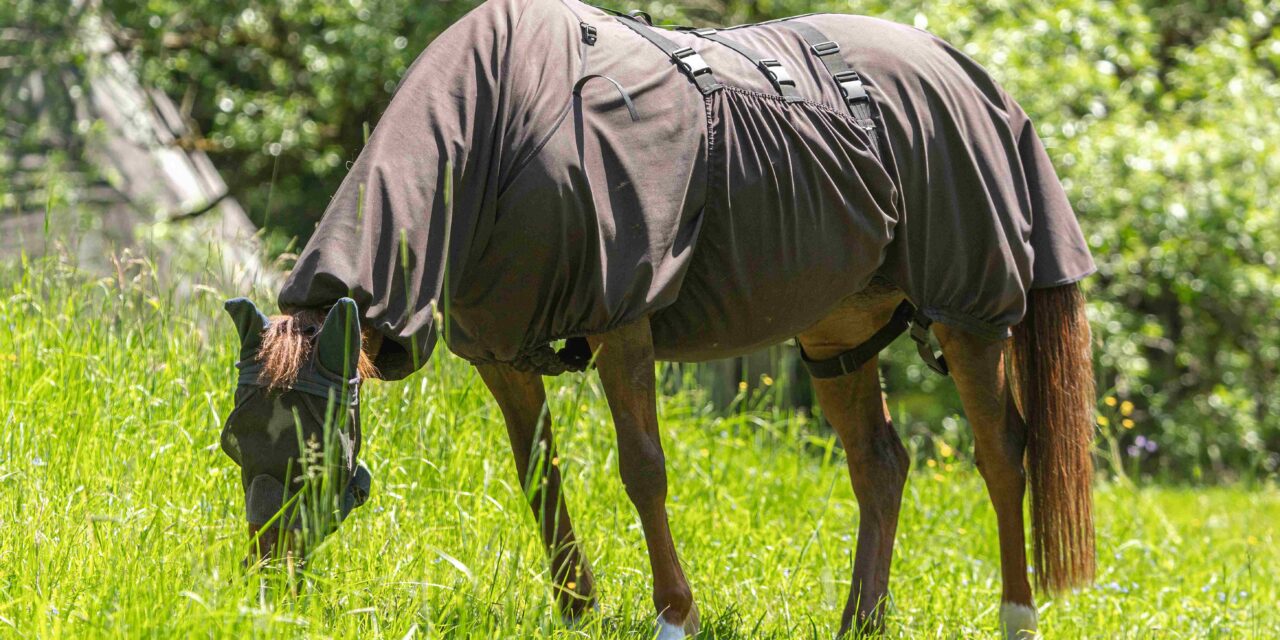
The decision for or against a fly rug should be carefully considered. This guide will help you choose the right rug for your horse. Read article

Allergies such as sweet itch, hay dust and others can be a burden for both horse and owner. Learn more about prevention, allergy testing and the role of the gut. Read article