Is your horse restless whilst tied up? In this episode, Dr Christina Fritz explains why pawing and fidgeting often stem from panic rather than disobedience.
Podcast #29 Microplastics in Riding Arenas – When the Surface Becomes a Health Risk
© Adobe Stock / acceptfoto
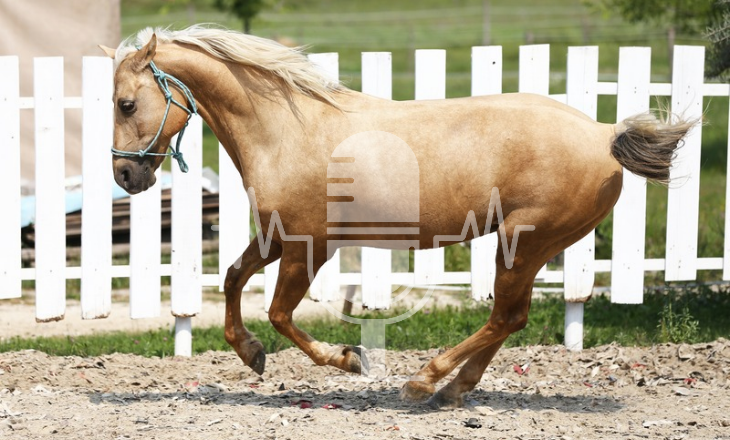
Carpet fibers, rubber chips, and synthetic materials can make riding arena surfaces easier to maintain, durable, and often resistant to freezing. But what happens to these materials after years of being ground down by horses' hooves?
In this episode, Christina Fritz explains why synthetic additives in riding arena surfaces deserve a closer look. Over time, larger pieces and fibers can break down into increasingly smaller plastic particles that may become airborne, be inhaled, and spread into the surrounding environment.
You'll learn:
✔️ Which synthetic materials are commonly found in riding arena surfaces and where they come from
✔️ How everyday use can create microplastics and fine particles
✔️ Why these particles may pose a problem for the respiratory health of horses and humans
✔️ How synthetic fibers and rubber particles can spread from riding arenas into the environment
✔️ What to consider when choosing an arena surface and which alternatives are available
What may seem practical and affordable at first can have long-term consequences that aren't immediately visible. That's why it's worth taking a closer look: What is actually in the surface your horse works on every day – and what happens to those materials over time?
🎧 Listen now and discover what's really in many riding arena surfaces – and why your choice of footing matters not only for riding, but also for horses, humans, and the environment.
Listen now on Spotify!
Curious for more? Find all our podcasts HERE
A note on our content. Sanoanimal’s content (articles, podcasts, videos, webinars, etc.) is based partly on scientific studies and partly on more than 20 years of practical experience within the Sanoanimal therapist network. For many relationships, methods and feeding practices involving horses, independent scientific studies do not exist or are not yet available; the corresponding statements reflect knowledge gained through experience. Our aim is to combine current scientific knowledge with the practical experience of our network. Our content makes no promises of healing or effectiveness; it does not replace examination, diagnosis or treatment by a veterinarian or trained therapist. Please do not put any of it into practice without professional guidance. Learn more: Editorial principles and disclaimer