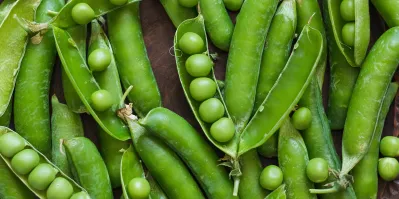
Low sugar, low starch – and yet dangerous insulin spikes? Find out here why pea protein for horses with EMS, insulin dysregulation, and laminitis risk is by no means harmless.
Read articlePodcast #19 Sweet Itch in Horses – Is It Really Incurable?
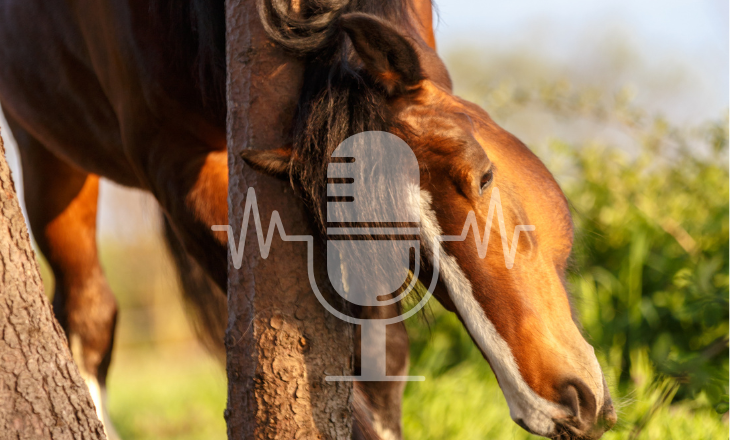
© Adobe Stock / Nadine Haase
Itching, bald patches, rubbed-out manes and tails – for many horse owners, sweet itch returns year after year. And sooner or later, someone usually says: “You just have to live with it.” Or: “It can’t be cured anyway.”
But is that actually true?
In this podcast episode, we take a closer look at why sweet itch is far more than just a reaction to biting midges – and why the real cause often lies much deeper within the horse’s metabolism.
In this episode, you’ll learn:
✔️ Why sweet itch is not simply an “insect allergy”
✔️ Why hardy breeds like Icelandics, Haflingers, and Friesians are especially prone to it
✔️ What the liver, gut, and kidneys have to do with skin problems
✔️ Why many horses with sweet itch also struggle with other metabolic issues
✔️ Why symptom management alone is usually not enough
✔️ What a sustainable long-term approach really looks like – from nutrition and gut support to metabolic rehabilitation
✔️ Why patience is one of the most important parts of the healing process
This episode is for every horse owner who wants to do more than just suppress symptoms – and truly understand the underlying causes in order to support their horse long-term.
🎧 Tune in now and discover why sweet itch can, in many cases, actually be healed – when we start looking at the horse’s metabolism as a whole.
Curious for more? Find all our podcasts HERE