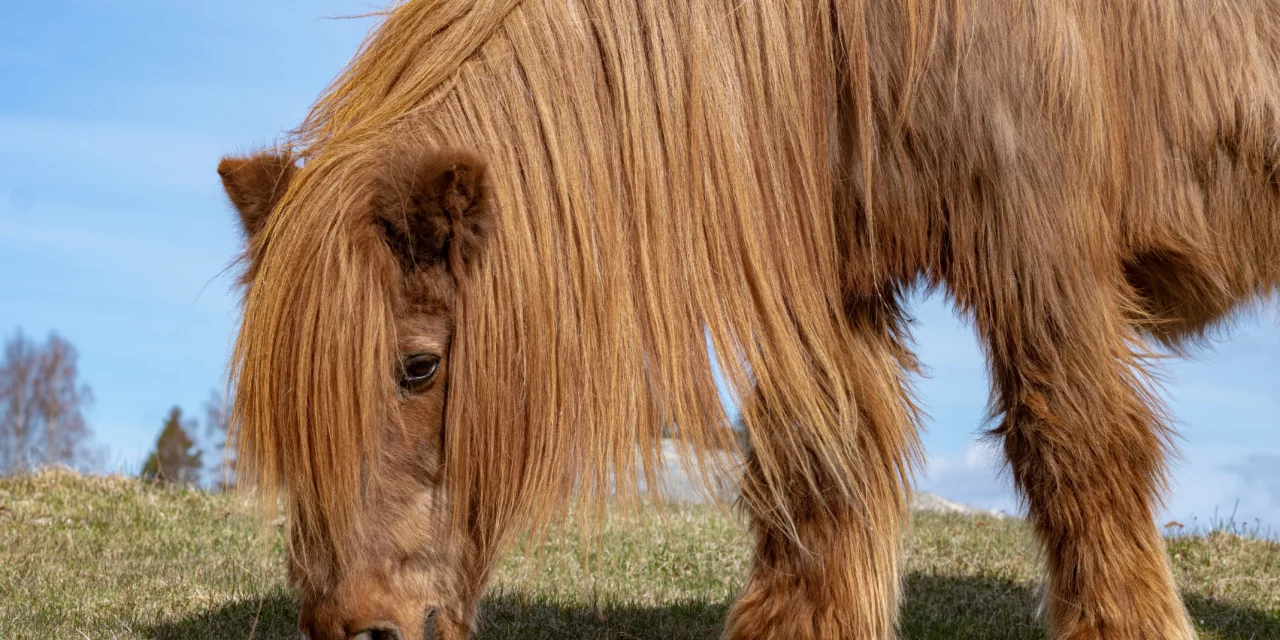
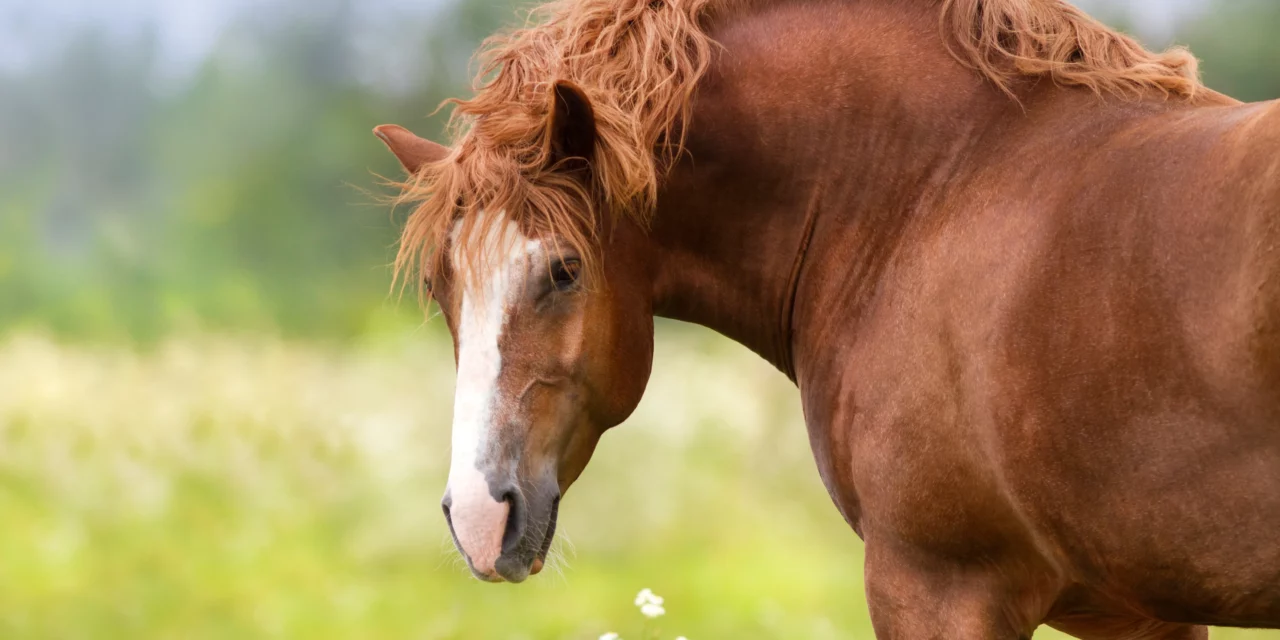
As days get longer, your horse’s coat starts to change — but what exactly triggers this process, and how can you...
Read articlePodcast #11 Snowy Pastures – Safe Winter Turnout or Risky Business?
Winter paddocks are small, muddy, and often far from ideal – so what about turning your horse out on the snowy pasture...
Read articleDental Health in Horses: Silent Prevention in the Mouth
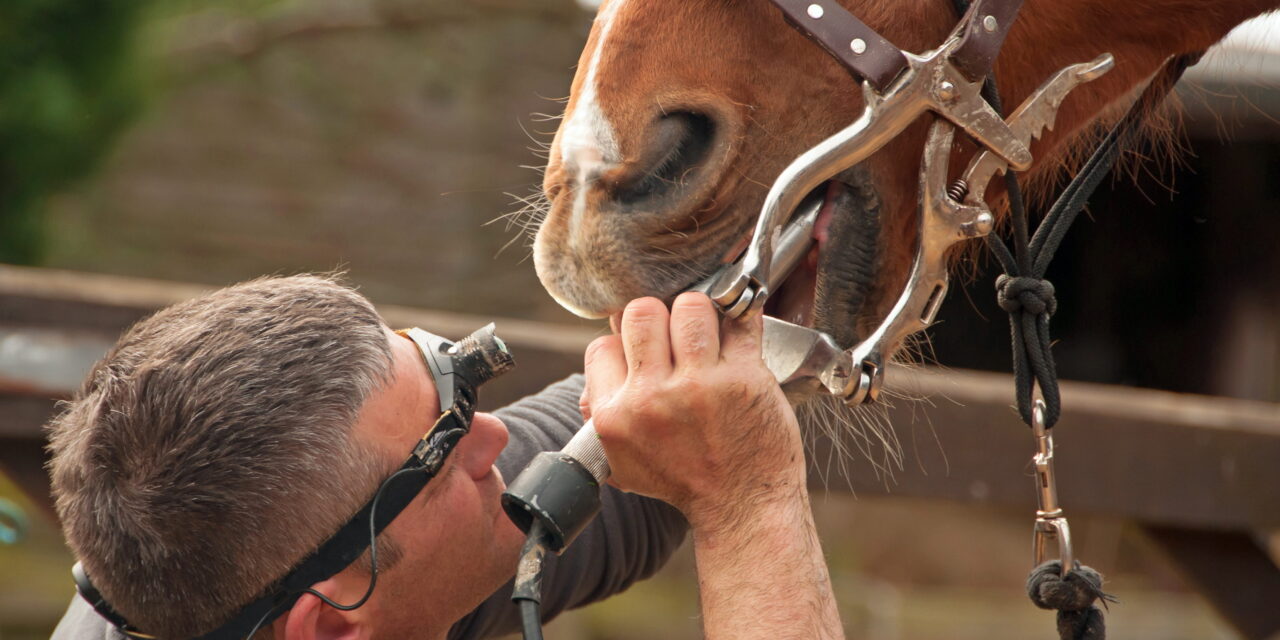
Key points at a glance: Eating is vital for a horse’s survival, which is why dental pain and problems often remain...
Read articlePreventive Care in Horses: Preventing Disease Instead of Treating It
Key points at a glance: Preventive care is the key to a long, healthy life for horses and helps avoid many modern...
Read articleParasite Prevention in Horses: Why “Preventive” Deworming Doesn’t Work
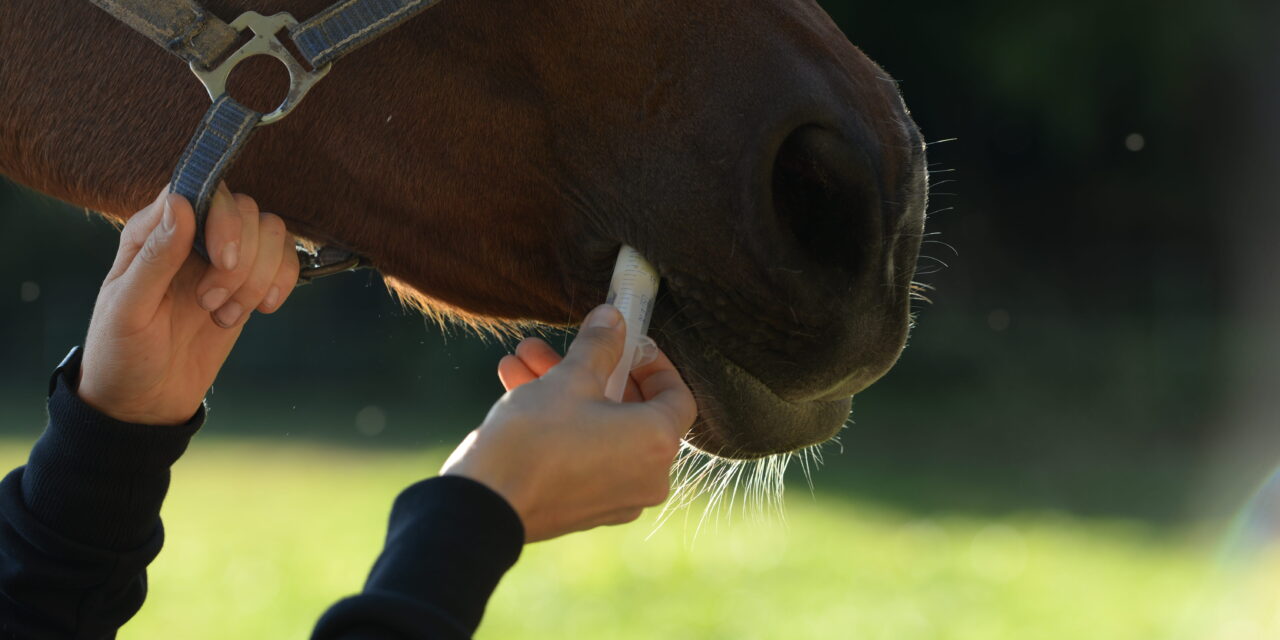
Key points at a glance: Routine, non-targeted administration of dewormers promotes the development of resistance to...
Read articleVaccination in Horses: A Critical Look at Preventive Care
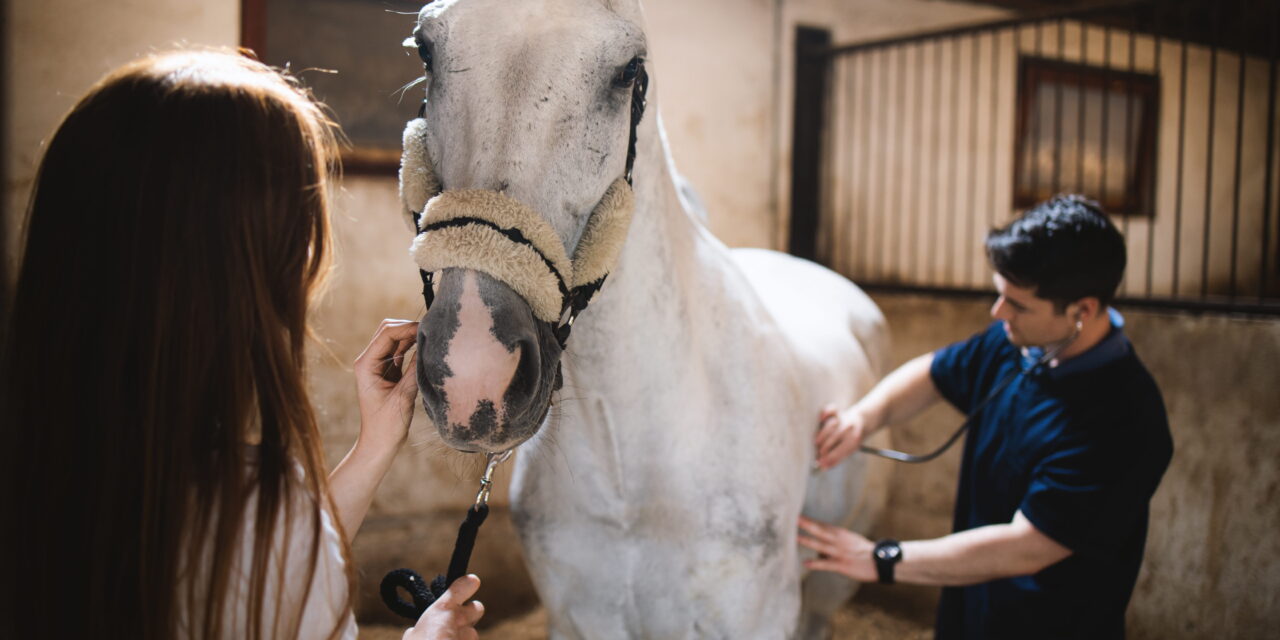
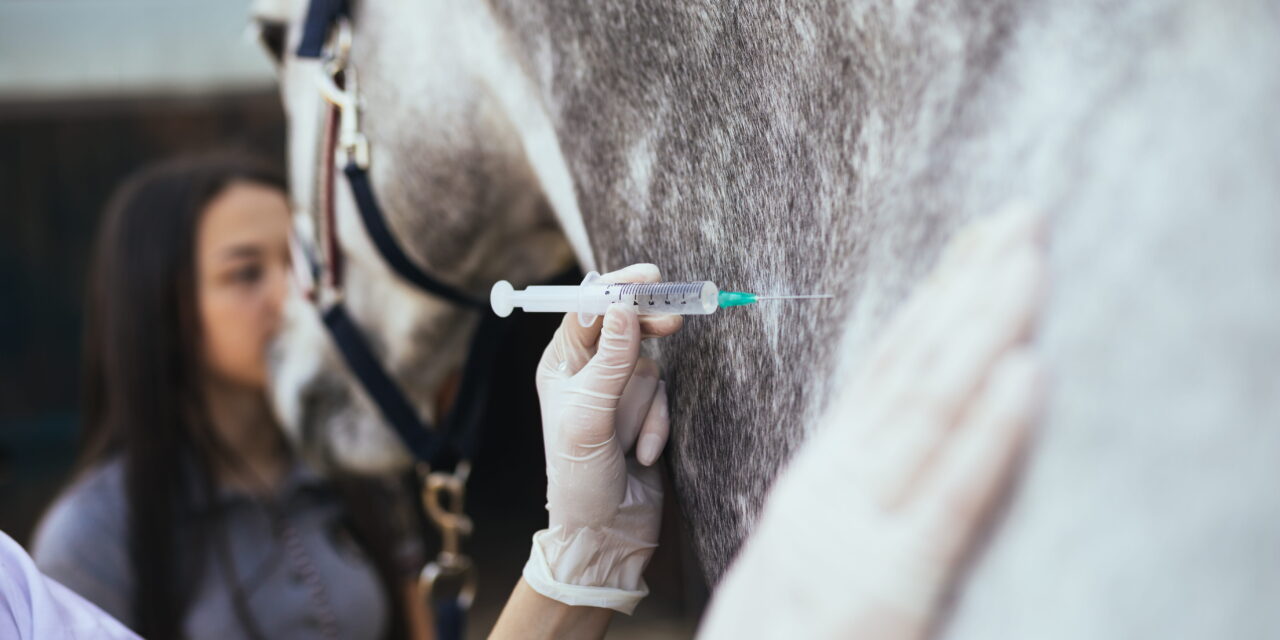
Key points at a glance: Tetanus is considered an indispensable core vaccination and is often life-saving. Antibody...
Read articleCriticism, Risks & Animal Welfare: Correct Use of Auxiliary Reins
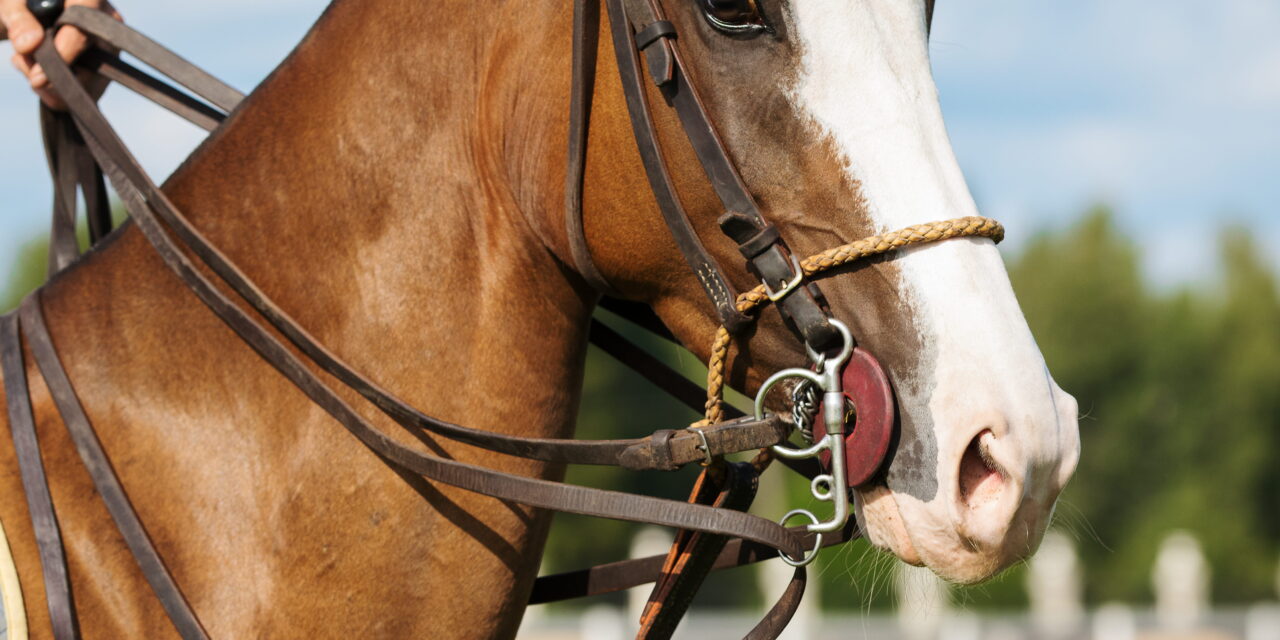
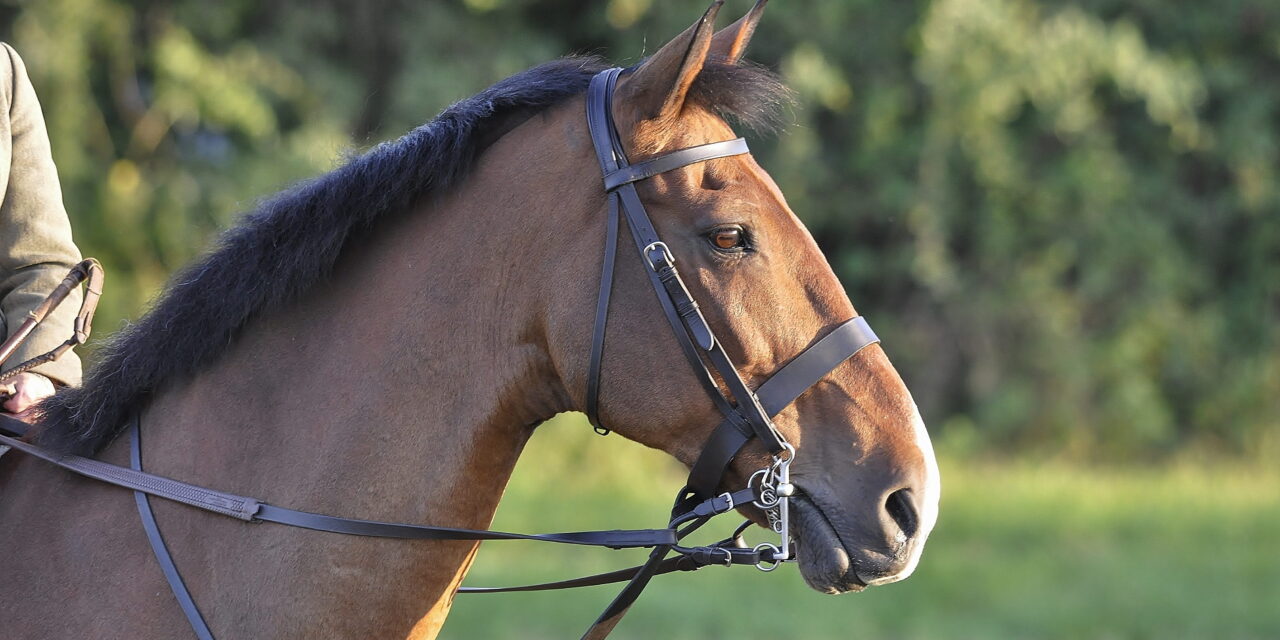
Key points at a glance: The three most common mistakes when using auxiliary reins are: adjusting them too short,...
Read articleWhat Are Auxiliary Reins? Purpose and Use in Horse Training
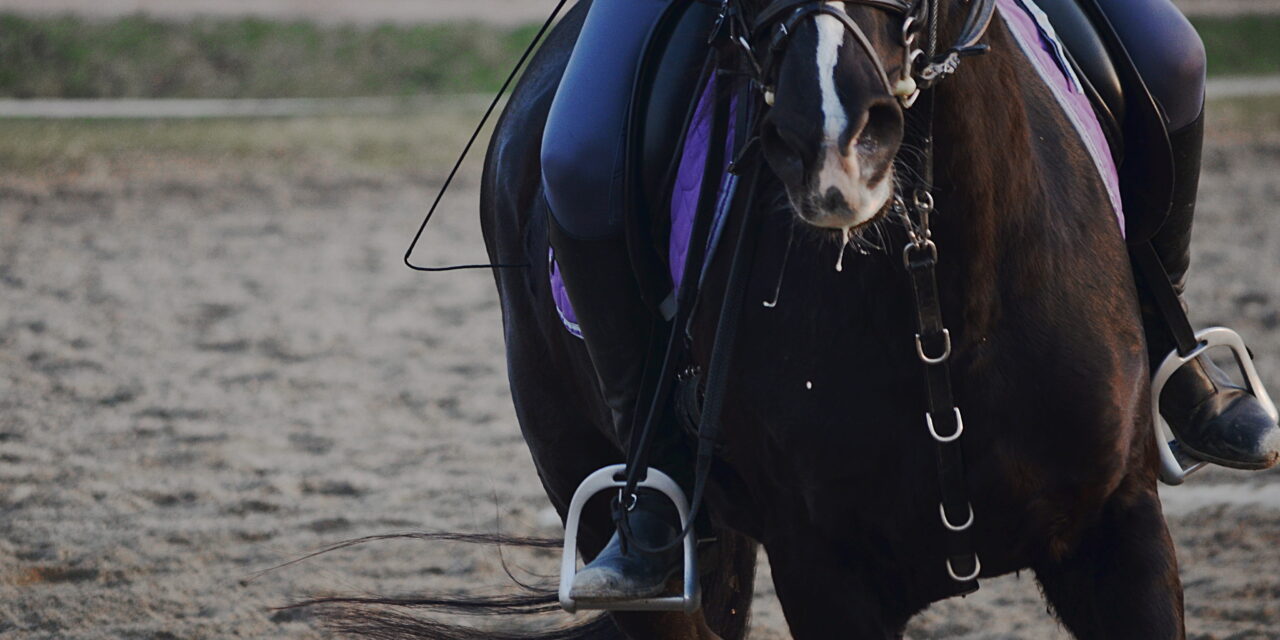
Key points at a glance: Auxiliary reins are pieces of equipment used in addition to the normal bridle to influence...
Read articleThe (Fixed) Side Reins – A Classic Among Auxiliary Reins
Key points at a glance: Side reins are fixed auxiliary reins that run from the girth to the bit on each side, rigidly...
Read articleAuxiliary Reins in Horses: Types, Use, and Alternatives
Key points at a glance: Auxiliary reins are pieces of equipment used in addition to the bridle to influence the...
Read articleFundamentals of Equine Anatomy: The Musculoskeletal System
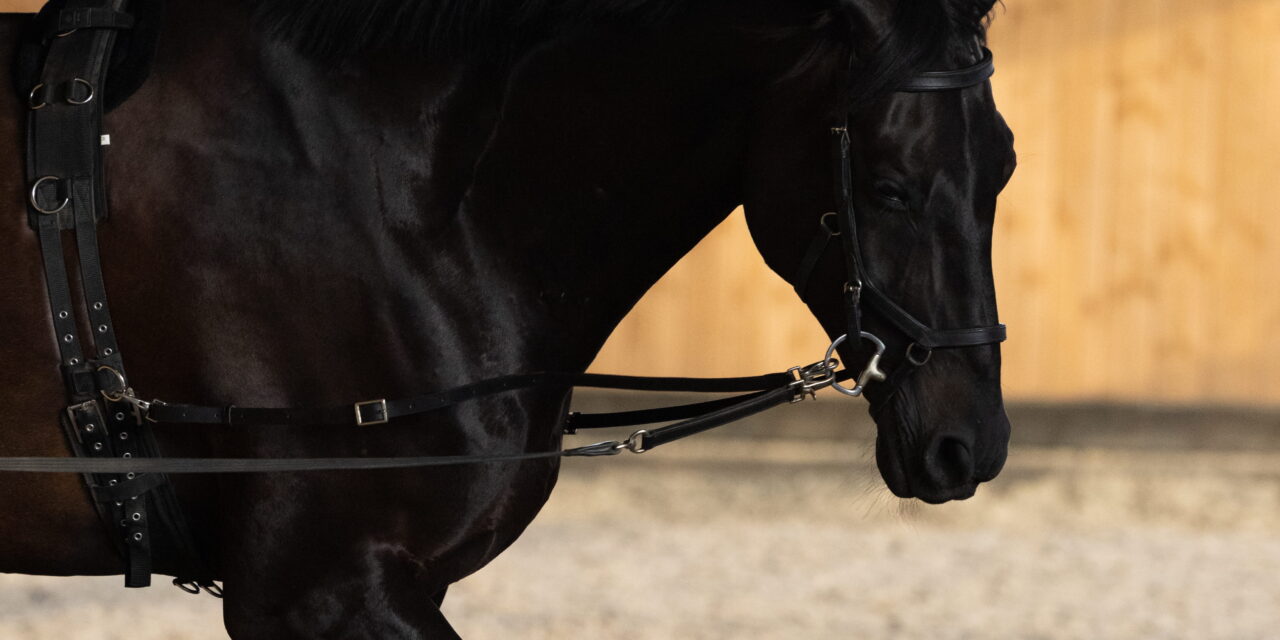
Key points at a glance: The equine skeleton consists of approximately 205 bones and forms the basis for all...
Read articleThe Horse’s Carrying System – Why the Equine Back Needs Training
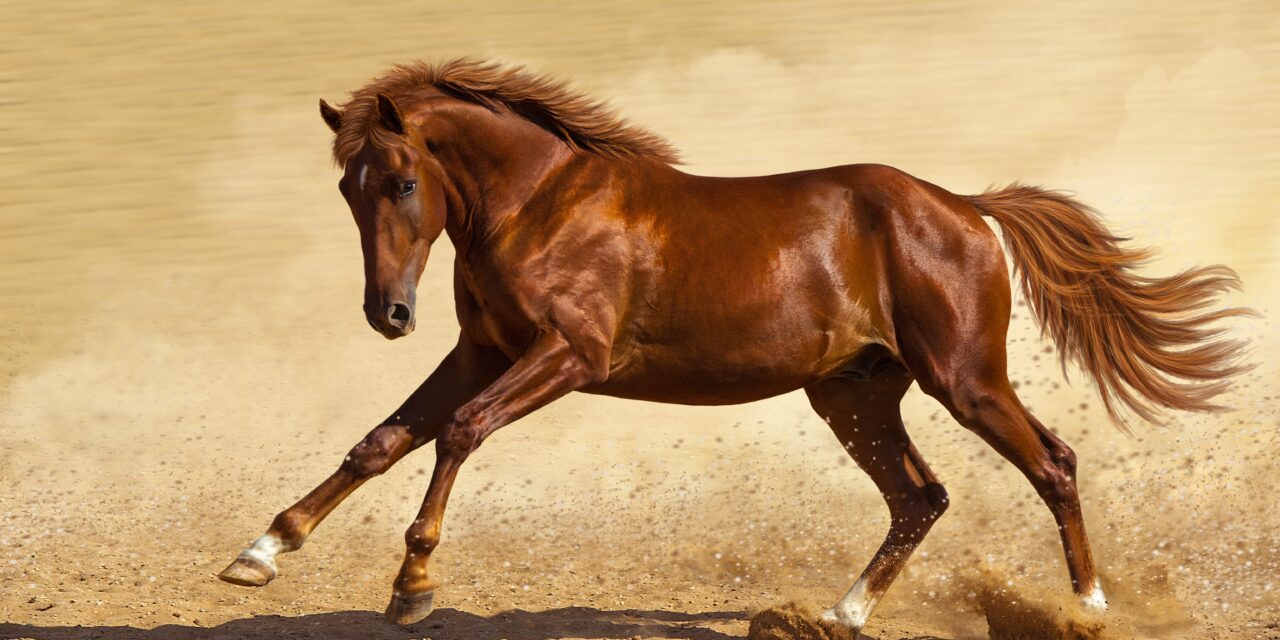
Key points at a glance: The horse’s back is not naturally designed to carry a rider—it must be trained for this...
Read articleHow Does a Horse Move? Biomechanics of the Basic Gaits
Key points at a glance: Every gait follows a defined movement pattern—deviations can indicate underlying...
Read articleUnderstanding Anatomy and Biomechanics in Horses
Key points at a glance: Anatomical knowledge is not theory, but a practical key to healthy training Equine...
Read articlePodcast #10 – Riding Bareback – natural, harmonious … but not always ideal?
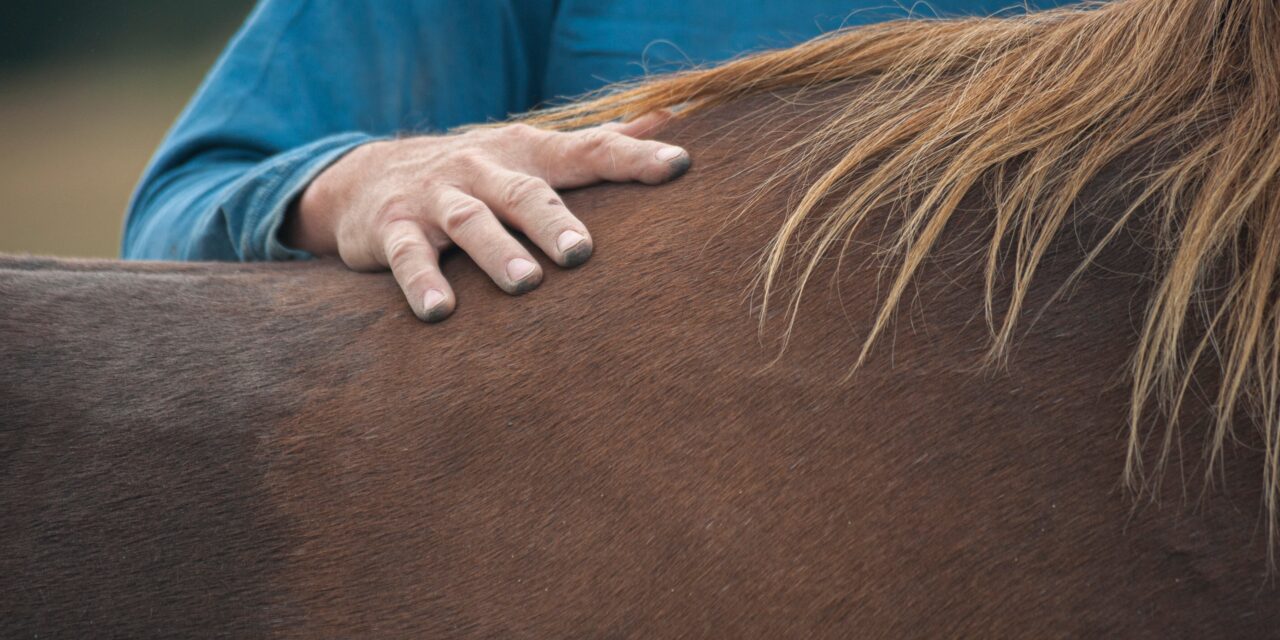
Many riders dream of it: galloping along the beach at sunset, just you and your horse – no saddle, no bridle,...
Read articlePodcast # 9 – How Your Horse Learns Best – Praise Right, Don’t Reinforce the Wrong Signals
Praise, cuddles or treats? What’s the right way to reward your horse? It’s a hotly debated topic in the equestrian...
Read articleChildren and Their Love for Horses
Key points at a glance: Horses support children holistically – physically, emotionally, and socially The right...
Read articleLearning for Life in the Stable – How Horses Support Child Development
Key points at a glance: Horses promote motor development through balance, coordination, and body...
Read articlePodcast #8 – When the Cold Wave Hits Your Barn: How to Help Horses with Colds and Respiratory Infections
Every winter, it’s the same scene: you walk into the barn and hear that familiar chorus of coughing echoing down the...
Read articlePodcast #7 – Pasture Management for Laminitis-Prone Horses: What Every Horse Owner Needs to Know
Most horse owners know spring grass can be risky for laminitis-prone horses. But what about grazed-down pastures in...
Read articleThe right equipment for groundwork
Headcollar, lead rope, schooling whip & Co. Key points at a glance: The right headcollar is the foundation – a...
Read articlePreparing the horse for groundwork
Key points at a glance: Building trust comes first – without a solid basis of trust, effective groundwork is...
Read articleThe ideal training ground
Key points at a glance: Safety comes first – Fenced, level areas without potential hazards provide the best learning...
Read articleMental preparation of the person
Key points at a glance: Body posture speaks volumes – an upright, relaxed posture signals competence and...
Read articlePodcast #6 – Clipping, Blanketing, or Fluffy Coat? How to Keep Your Horse Comfortable in Winter
As the days grow shorter and the nights colder, horse owners everywhere face the same question: What should I do with...
Read article