This article was translated using AI.
Key Points in Brief:
- The shedding process is a natural one, where horses exchange their thick winter coat for a thinner summer coat
- Hormones and daylight length control the shedding, which usually occurs between February and May
- Regular grooming supports the shedding process and promotes healthy horse skin
- A balanced diet helps the horse to undergo the shedding smoothly
- Particular attention is required for horses with skin problems or allergies
The Biological Process of Shedding
The shedding is a complex and energy-consuming process for horses, occurring anew each year. It is primarily driven by two factors: the horse's hormones and the length of daylight. As the daylight period lengthens, a hormonal process begins in the horse, initiating the transition from the winter coat to the lighter summer coat.
During this phase, the horse may need additional support. The shedding process places significant stress on the organism, so it is important for horse owners to consider several critical aspects to make this transition as comfortable as possible for their horse.
Why Shedding Is So Important
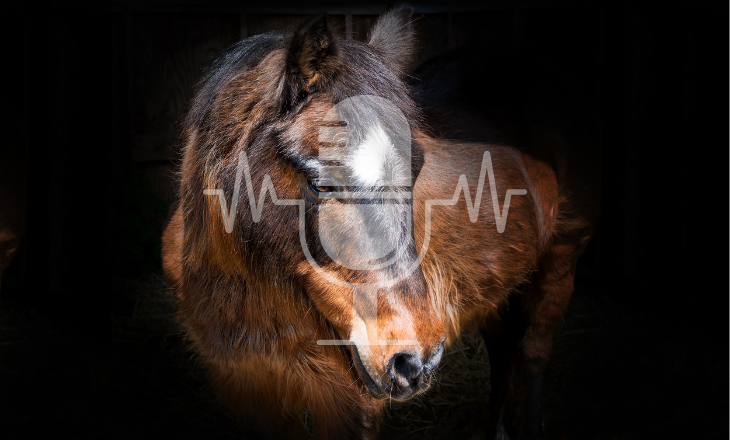
The horse's coat is more than just a protective layer. It regulates body temperature, protects against weather influences, and provides insights into the animal's health. The transition from a thick, warming winter coat to a thinner summer coat is a complex biological process that highlights the horse's adaptability to seasonal changes. No thermal blanket is as effective in protecting the horse from weather conditions as the natural winter coat.
Support Through Proper Grooming
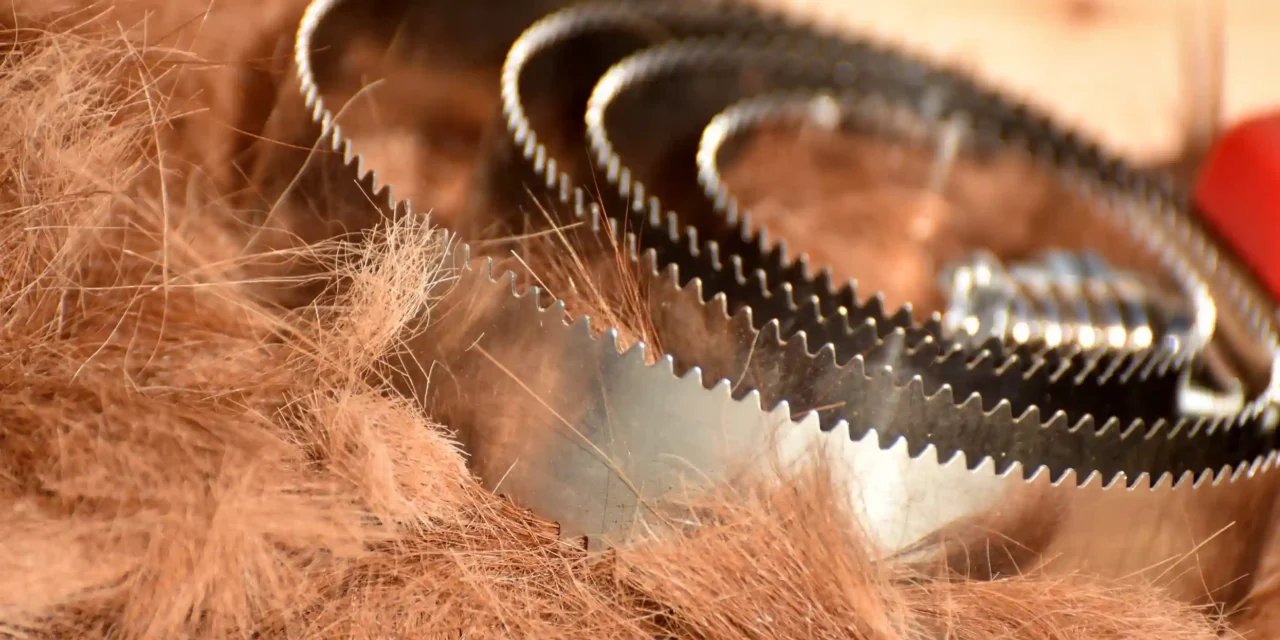
Grooming plays a central role during the shedding period. Regular and thorough grooming can significantly help your horse shed the troublesome loose hairs. It is important to use a combination of different grooming tools. A rubber curry comb helps loosen loose hair, while a shedding blade removes the loose hairs. Many manufacturers now also offer special brushes designed for easier removal of the winter coat. Find what works best for you and your horse.
It is recommended to allocate at least 15 to 20 minutes daily for grooming. Start by working in circular motions against the direction of hair growth to loosen as many loose hairs as possible. After this thorough 'rubbing,' brush in the direction of hair growth with the shedding blade to remove the loosened hairs. Clean the shedding blade after each pass to remove hair and dust. This grooming technique not only removes loose hairs but also stimulates circulation, making the shedding process easier.
Nutrition During Shedding
A balanced diet is crucial to support the shedding process. During this time, horses need extra nutrients to facilitate a healthy and complete coat change. Ensure your horse receives sufficient proteins, which are essential for healthy hair growth. Minerals like zinc and sulfur also play an important role in coat health.
If your horse is struggling with shedding, consulting a knowledgeable nutritionist can be helpful to determine if special supplements could support your horse during this phase.
Possible Challenges During Shedding
Not every horse handles shedding equally well. Some animals may exhibit symptoms requiring attention. Restlessness, tenderness to touch, swollen legs or neck area, a thickened mane, itching, or dry, flaky skin can be signs of metabolic issues. If the shedding is significantly delayed or incomplete, it is advisable to consult a metabolic specialist to rule out underlying health problems.
Duration of a Typical Shedding
The duration of shedding varies from horse to horse. Typically, the process lasts between four and six weeks. Factors such as breed, age, housing conditions, and individual health can influence this duration. Therefore, a prolonged shedding period does not necessarily indicate conditions like Cushing's disease. Sudden cold snaps in March, for instance, can cause the shedding to halt until it warms up again, at which point the process resumes normally.
What Care Does My Horse Need During Shedding?
During shedding, special attention to horse care is important. Besides regular grooming, ensure a balanced diet and allow sufficient exercise, as this stimulates circulation and supports the shedding process. Horses also love to roll frequently during this time. If the ground is frozen or muddy, many horses will enjoy taking the opportunity to scratch themselves well on the riding arena, in the riding hall, or on a pasture.
Conclusion
The shedding process is natural but quite complex. With patience, regular care, and proper support, you can help your horse navigate this season comfortably and healthily. Watch your horse closely and do not hesitate to consult a nutritionist, metabolic therapist, or veterinarian if you notice any irregularities.
Looking for a nutritionist or equine therapist nearby?
Our Therapist Network is here to support you and your horse with questions about feeding, metabolism, and more!
More information about shedding can be found on our topic page: Coat Change