Key points at a glance:
- Preventive care is the key to a long, healthy life for horses and helps avoid many modern “lifestyle diseases.”
- A well-considered vaccination strategy, including antibody titre testing, provides effective protection without unnecessarily burdening the immune system.
- Selective deworming based on fecal testing preserves the effectiveness of anthelmintics and protects the horse’s body.
- Regular dental checks prevent digestive problems, riding issues, and pain.
- Consistent hoof care is the foundation of a healthy musculoskeletal system.
- Optimal stable climate and a healthy gut protect the sensitive respiratory system from chronic disease.
- Targeted support during coat change relieves the liver and kidneys during this high-performance phase.
- Laminitis prevention begins with maintaining a healthy hindgut and stable insulin sensitivity.
- Species-appropriate feeding based on the natural diet of wild horses helps prevent most metabolic disorders.
Preventing illness instead of treating it lies at the heart of responsible horse ownership. Preventive care means actively maintaining and supporting a horse’s health before problems arise. This not only reduces veterinary costs and suffering, but also allows horses to live long, vital lives. Many of the most common diseases seen in domestic horses are lifestyle-related and can be prevented through consistent preventive management.
In this comprehensive guide, you’ll learn about the most important preventive measures every horse owner should know and implement. From a critical approach to vaccination and modern selective deworming to species-appropriate feeding and optimal stable conditions—we show you how to protect your horse’s health holistically.
Vaccination Prevention: A Critical Look at Benefits and Risks
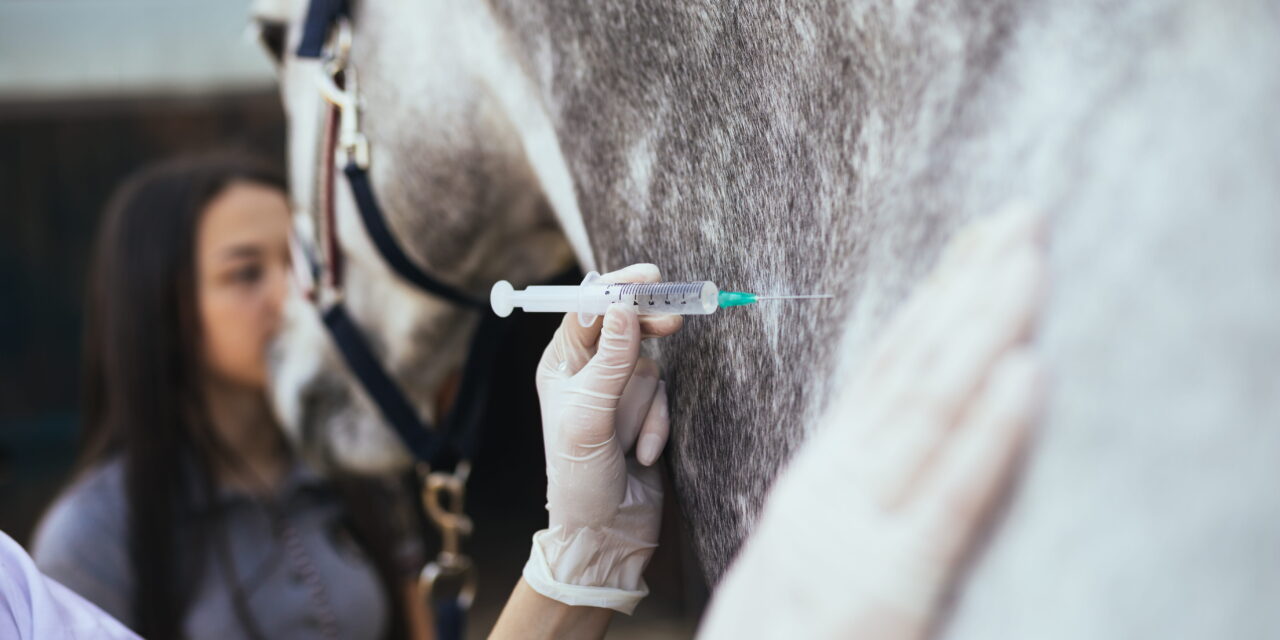
Decisions for or against vaccination should never be routine. Every vaccine must be assessed through a strict risk–benefit analysis, as vaccinations are medical interventions with potential side effects.
The tetanus vaccine is the only truly essential core vaccination for every horse. With a mortality rate close to 100%, tetanus is life-threatening, and vaccination provides reliable protection. The good news: immunity often lasts significantly longer than the standard three years. Antibody titre testing allows owners to assess whether a booster is necessary, helping to avoid unnecessary vaccinations.
Influenza and herpes vaccinations should be carefully evaluated. They do not provide sterile immunity and are more likely to cause vaccine reactions. The decision should be based on real risk: competition horses, broodmares, and horses in high-risk environments benefit most. For leisure horses with minimal contact with unfamiliar horses, the benefit is often low compared to the risk.
Vaccination against West Nile virus requires an individual risk assessment. As most infections are asymptomatic and neurological disease is rare, regional infection pressure must be weighed against vaccination risks.
The guiding principle is: as much as necessary, as little as possible. Responsible prevention means questioning every vaccination and administering it only when clearly indicated.
→ Learn more: Vaccination in Horses – A Critical Look at Prophylaxis
Parasite Prevention: Selective Deworming Instead of Routine Treatment
The era of blanket deworming four times a year is over. This practice has led to widespread resistance and threatens the effectiveness of the few remaining anthelmintics. Modern prevention relies on selective deworming.
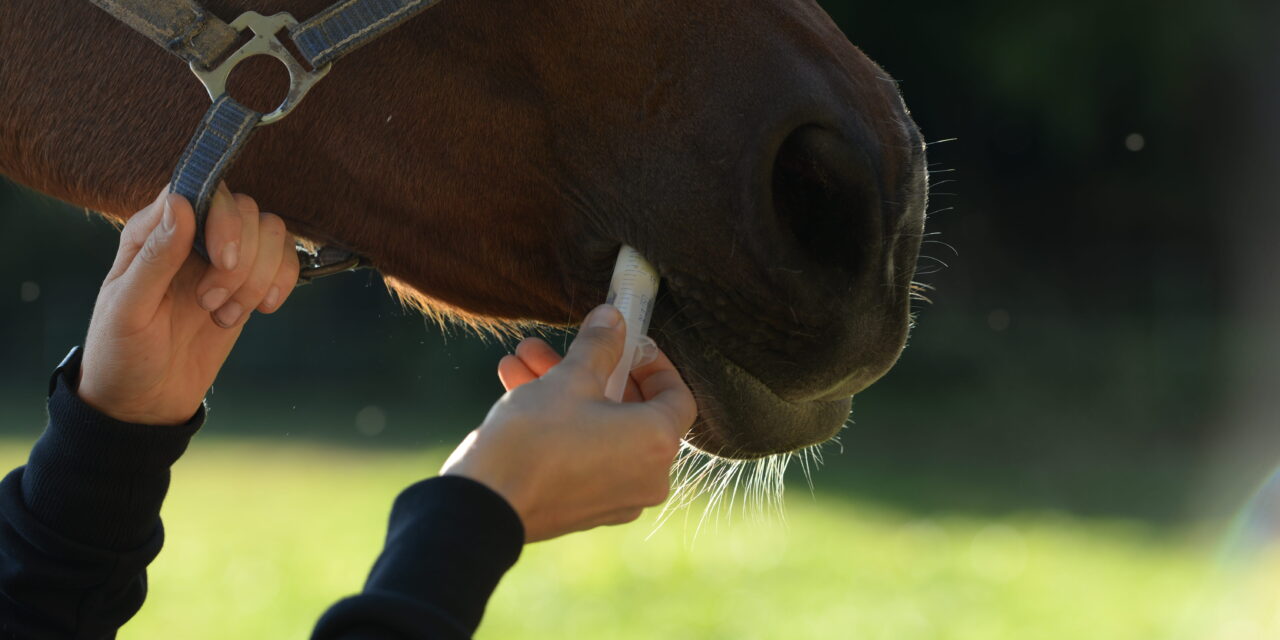
The principle is simple and effective: treat only when infestation is confirmed. Regular fecal testing determines the actual parasite burden. If egg counts are below the critical threshold, treatment is unnecessary. This protects the horse’s system and sensitive gut microbiome while preventing resistant parasite populations.
Correct execution is crucial: fresh samples must be collected properly and sent promptly to a specialized laboratory. For tapeworms, composite samples collected over three days are required due to intermittent egg shedding.
The result: only infected horses are treated, medications remain effective, and gut health is preserved—a win–win for horse and owner.
→ Learn more: Parasite Prevention in Horses
Dental Health: The Silent Prevention in the Mouth
Dental problems are among the most overlooked health risks in horses. Due to their survival instinct, horses continue eating even when in significant pain—often until severe damage has already occurred.
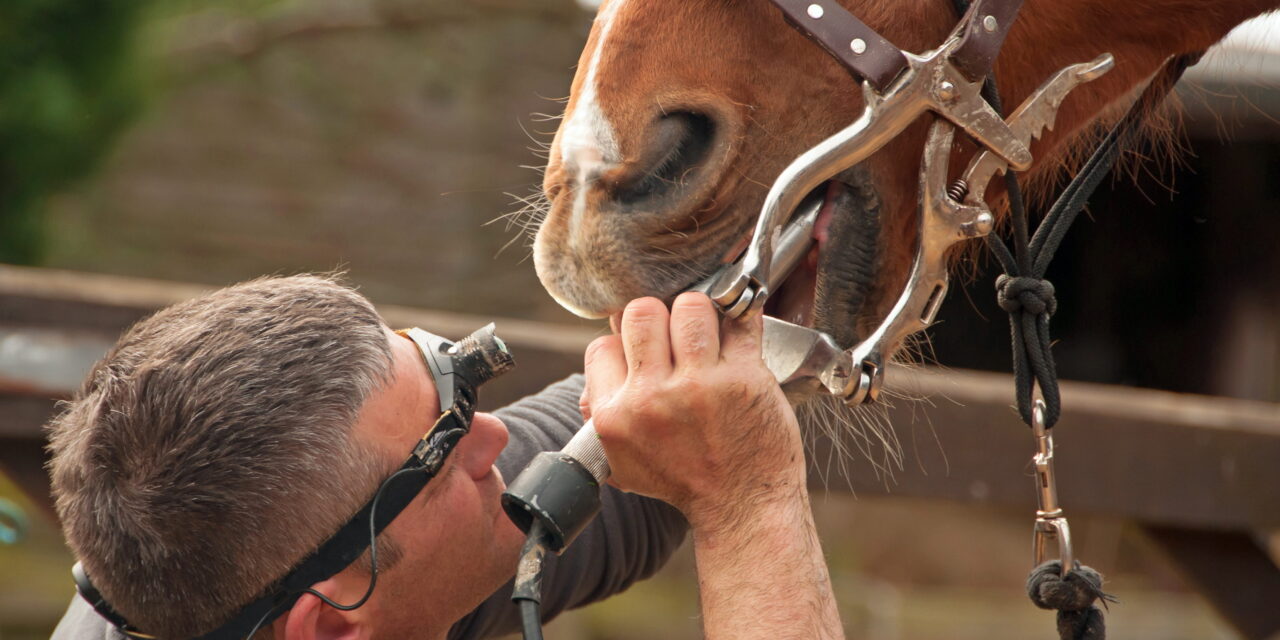
Regular dental examination and correction by a qualified equine dental practitioner (at least once per year, more often for young and senior horses) is one of the most important preventive measures. Sharp edges, hooks, diastemata, and other issues can be identified and corrected early before causing pain, injuries, or digestive problems.
Untreated dental issues have serious consequences: insufficiently chewed feed strains the entire digestive tract, worsens gastric ulcers, increases the risk of colic, and may lead to severe weight loss. Riding issues and back tension often originate in the mouth as well.
Choosing a competent dental practitioner is essential. If you need guidance who can help your horse in your region, please contact us.
→ Learn more: Dental Health in Horses
Hoof Care: The Foundation of Equine Health
“No hoof, no horse” remains true. The hoof is a highly complex, sensitive structure and the foundation of the entire musculoskeletal system. Poor care inevitably leads to problems affecting the whole body.
Daily hoof care by the owner is essential. Thorough cleaning removes dirt, stones, and manure—especially important to prevent thrush. The frog grooves require particular attention and must be kept clean and dry.
Regular trimming or shoeing by a farrier every 4–8 weeks is equally important. Correct balance and alignment ensure even load distribution and prevent strain on tendons and joints.
Internal prevention begins with nutrition. Adequate zinc and sulfur support hoof horn quality. Horses do not suffer from biotin deficiency, as it is produced by the gut microbiome. A healthy gut is therefore critical—dysbiosis can impair detoxification processes and indirectly weaken hoof quality.
Movement activates the hoof mechanism. Each step pumps blood through the hoof like a sponge—this only works with sufficient movement on varied surfaces.
Stable Climate: Respiratory Prevention
Chronic respiratory disease is among the most common health issues in stabled horses. Poor air quality—dust, mold spores, and ammonia—continuously irritates sensitive airways, leading to chronic inflammation and equine asthma.
The most effective prevention is minimizing dust exposure. Open housing or extensive turnout offers optimal air quality. In stabled environments, good ventilation without drafts is crucial. Cleaning should be done only when horses are not inside.
Feed hygiene is equally important. Hay must be dust- and mold-free; soaking or steaming may be necessary. Bedding quality also matters, as low-grade straw is often heavily contaminated with mold spores.
The gut–lung connection is often overlooked. Horses with gut disorders may develop sulfur deficiency, resulting in dry, vulnerable airways. A healthy hindgut is therefore essential for respiratory health.
Species-Appropriate Feeding: Nature as a Model
The best prevention against lifestyle diseases is feeding based on the natural diet of wild horses. Domestic horses share identical anatomy and metabolism—deviating from this model leads to problems.
The foundation is constant access to high-quality forage. Feeding breaks cause gastric acid buildup and are a major contributor to gastric ulcers. Horses are continuous grazers producing stomach acid continuously, neutralized only by saliva during chewing.
Overfeeding is a real danger. Modern diets often supply excessive energy, protein, starch, and sugar, leading to laminitis, EMS, Cushing-like symptoms, skin issues, and metabolic disorders.
The principle is simple: forage available 24/7, pasture access in summer, mineral supplementation with inorganic minerals, salt, and water. Anything beyond this should be fed only as needed and ideally in consultation with an independent nutrition specialist.
Coat Change: Support During a High-Performance Phase
Twice a year, the horse’s body undergoes a metabolic peak during coat change. This intense protein turnover heavily burdens liver and kidneys.
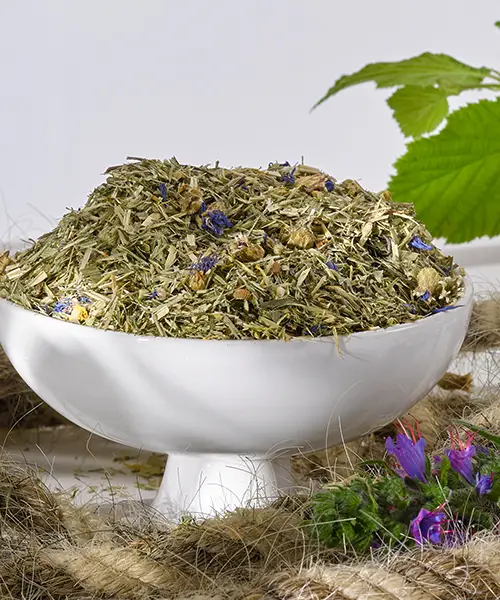
Targeted herbal support helps: bitter herbs such as artichoke, dandelion, and yarrow support liver function; diuretic herbs like nettle, birch, and goldenrod support kidney filtration.
Basic nutrition must be solid: high-quality forage available at all times, constant access to fresh water (warm in winter for ulcer-prone horses), and adequate zinc and sulfur intake for hair growth.
A healthy coat change takes six to eight weeks. Delays, excessive itching, dandruff, or lethargy often indicate underlying metabolic issues requiring intervention.
Laminitis Prevention: Focus on Metabolism and Hindgut Health
Laminitis is rarely random—it usually results from metabolic dysfunction or hindgut imbalance. Prevention begins with species-appropriate feeding that supports insulin sensitivity and a healthy hindgut.
Insulin resistance is a major cause. Chronic intake of starch, sugar, or organic selenium can impair insulin signaling, triggering laminitis.
Hindgut dysbiosis is another key risk. Feeding starch or silage promotes lactic acid–producing bacteria, displacing fiber-digesting microbes. During dietary overload (e.g. fructan-rich grass), toxins enter the bloodstream and trigger hoof inflammation.
Prevention is clear: forage-based feeding, pasture access, mineral supplementation, no grain, no silage, no organic selenium, and stable insulin regulation.
Conclusion: Prevention Is an Investment in the Future
Preventive health care is not a checklist—it is a holistic system. All aspects are interconnected: nutrition supports gut health, which affects hooves, lungs, and metabolism. Proper hoof care enables movement, which enhances circulation and prevents disease.
The key lies in species-appropriate management: abundant movement, fresh air, high-quality forage, and minimal additives. Critical evaluation of every medical intervention—from vaccination to deworming to supplements—is essential.
Invest in prevention, not treatment. Your horse will repay you with a long, healthy life.
Further Reading:
- Vaccination in Horses: A Critical Look at Preventive Care
- Parasite Prevention in Horses: Why Routine Deworming Doesn’t Work
- Dental Health in Horses: Silent Prevention in the Mouth