Key points at a glance:
- Eating is vital for a horse’s survival, which is why dental pain and problems often remain hidden for a long time.
- Regular dental examinations and corrections by an experienced equine dental practitioner are essential at least once a year.
- Canine teeth (“tushes”) and wolf teeth can cause problems and should be removed if necessary.
- Poorly chewed feed due to dental issues severely impairs digestion and can aggravate gastric ulcers or even trigger loose droppings or colic.
- Special attention is required for young horses during tooth eruption (2.5–5 years) and for older horses with declining tooth substance.
- As a horse owner, you should watch for subtle signs such as excessive salivation, resistance to the bit, bad breath, or weight loss.
Preventive health care in horses often means looking closely—especially where it is uncomfortable. The teeth are a prime example. Dental health is fundamental to a horse’s well-being and performance, yet it is frequently underestimated. Problems in the mouth can lead to riding issues, back tension, and above all inefficient digestion, poor nutrient absorption, intestinal disorders such as loose droppings or colic, and significant pain. Consistent dental prevention is therefore indispensable.
Why horse teeth require special attention
Horses are designed to grind fibrous feed over many hours. Their teeth continuously erupt from the jaw (approximately 2–5 mm per year) to compensate for wear. However, due to less-than-ideal chewing movements, uneven wear often occurs, leading to so-called sharp enamel points on the cheek teeth. These sharp edges can injure the oral mucosa, causing pain and inflammation.
The biggest misconception is this: just because a horse eats “normally” does not mean it is free from dental pain. Horses continue to eat even under severe pain due to their survival instinct. This makes it all the more important for owners and riders to recognize subtle signs of dental problems in order to intervene early.
Annual prevention: dental checks are essential
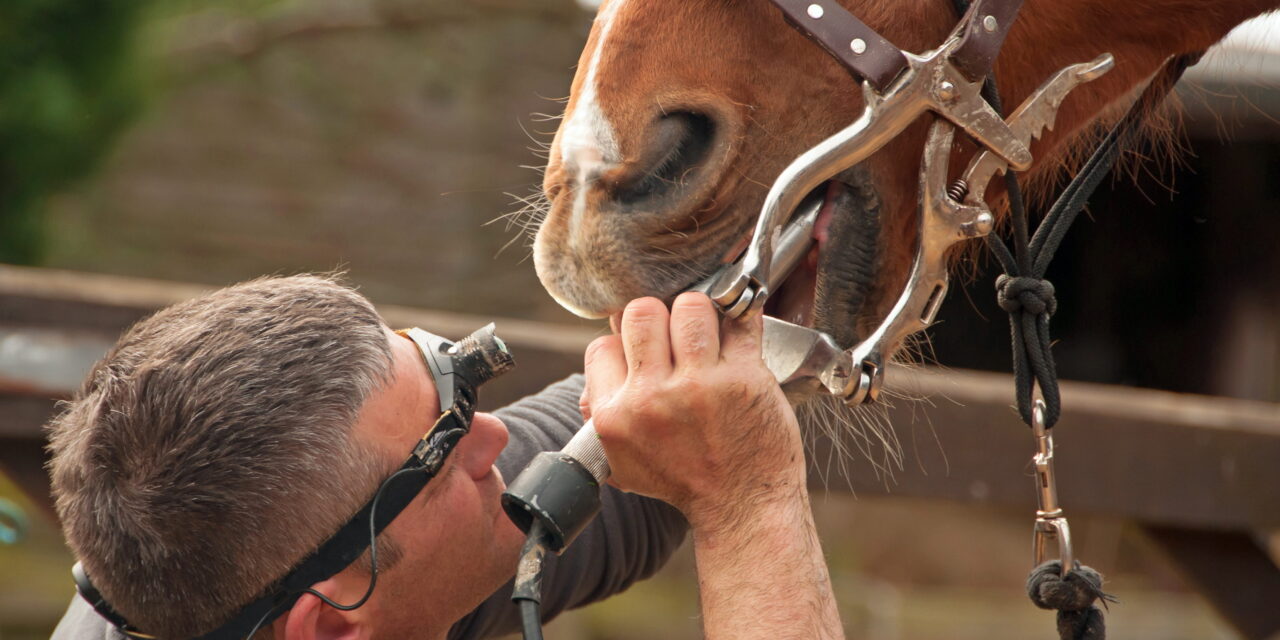
The most important preventive measure against dental problems is regular examination and correction by a qualified equine dental practitioner. Whether the professional works exclusively as a dental practitioner or is a veterinarian with additional dental training, a high level of expertise and experience is required to optimize the horse’s dental situation without removing too much material—which could otherwise lead to premature tooth loss later in life.
Since “equine dental practitioner” is not a protected professional title, anyone can use it—similar to hoof trimmers. To ensure qualification, it is advisable to consult the IGFP website. This organization functions as a kind of “quality control authority” for equine dental practitioners. If a practitioner holds the IGFP seal, you can be confident they are well trained. This does not mean that excellent practitioners without IGFP certification do not exist, but for laypersons this is difficult to assess, and damage can occur quickly. Therefore, the list of IGFP-certified practitioners is a valuable aid when searching for a suitable “equine dentist.”
General recommendations:
- All horses: dental checks once a year. If more frequent visits are necessary due to specific dental conditions, the practitioner will advise accordingly. Reputable professionals are usually fully booked and have no incentive to “sell” unnecessary appointments.
- Young horses (2.5–5 years): often every six months, as teeth are erupting and issues with caps or delayed eruption are common.
- Older horses (from approx. 20 years): individualized intervals, often more frequent, to monitor declining tooth substance and gaps (diastemata).
During examinations and corrections, sharp edges and hooks are removed to prevent injury, broken or loose teeth are extracted, and incisors are shortened as needed to restore balance with the cheek teeth. Practitioners also check for additional problems that may impair chewing, such as inflammation or gaps between teeth (diastemata).
More than just sharp points: common dental problems
In addition to sharp enamel points, other issues require attention during preventive care:
1. Canine teeth and wolf teeth: Wolf teeth are small, functionless vestigial teeth that can range in size from a pinhead to the size of human canine teeth. They are usually located just in front of the first cheek tooth and can significantly interfere with bit contact. They are typically removed to prevent pain during riding.
2. Diastemata and periodontal disease: With age or due to malalignment, gaps (diastemata) can develop between the cheek teeth. Feed particles become trapped in these spaces, leading to gum inflammation (periodontal disease) and deep infections. This condition is often very painful and requires intensive treatment.
Caution: dental problems affect digestion
Dental problems are more than just a riding issue—they pose a serious risk to digestive health. If a horse experiences pain while chewing, feed is no longer properly ground.
- Swallowing instead of chewing: insufficiently broken-down roughage enters the stomach and intestines.
- Stomach problems: feed is not adequately mixed with saliva, reducing acid buffering and lowering stomach pH. Coarse fibers can irritate inflamed areas of the gastric lining, causing pain and promoting gastric ulcers.
- Consequences in the hindgut: intestinal bacteria struggle to digest coarse fibers, leading to poor nutrient utilization. This not only causes weight loss but also increases the risk of colic.
Consistent dental prevention can effectively prevent these serious secondary problems.
What owners should watch for
Because horses hide pain well, owner vigilance is essential. Watch for subtle behavioral changes that may indicate dental discomfort:
- The horse drops partially chewed feed (quids of hay or grass).
- Excessive salivation or chewing predominantly on one side.
- Resistance, head tossing, or defensive behavior when bridling or riding.
- Slower eating or difficulty consuming coarse hay.
- Undigested grains or long hay fibers in the manure.
- Bad breath (which may indicate gum inflammation or diastemata).
If you notice any of these signs, contact a competent equine dental practitioner immediately to protect your horse’s health.