
Key points at a glance:
- Horses support children holistically – physically, emotionally, and socially
- The right introduction and good conditions are essential
- Safety and fun should always come before performance pressure
- Owning a pony is a major decision that requires careful consideration
- The bond between a child and a horse can shape them for life
Why Horses Are So Valuable for Children
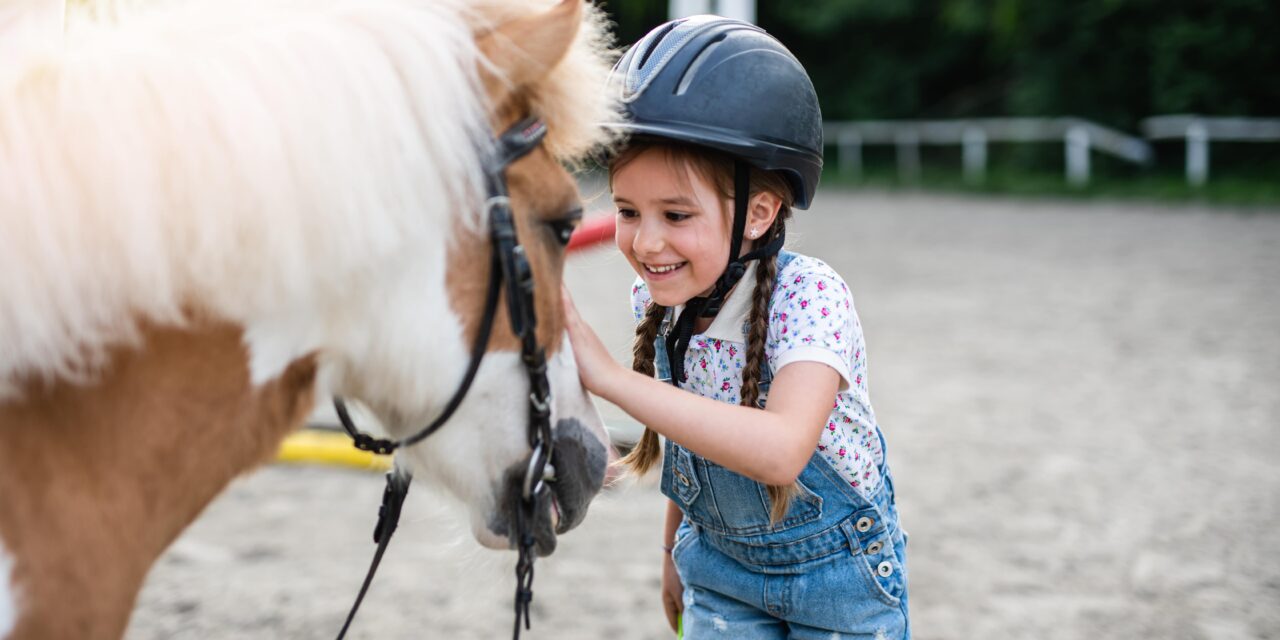
The relationship between children and horses is something special. Horses promote motor development and strengthen self-confidence. They teach responsibility in a way that few other hobbies can. Through interacting with horses, children learn empathy, patience, and teamwork – skills that will stay with them throughout their lives. Even brushing, leading, and caring for a horse trains fine motor skills and body awareness, while riding itself develops balance and coordination in a unique way.
How Children Should Get Started
Not every age is suitable for every kind of contact with horses. Toddlers as young as two or three can have their first gentle interactions with ponies. Traditional riding lessons usually make sense from around six to eight years old, when hand-eye-leg coordination is sufficiently developed. Educational riding programs such as Hippolini offer a playful introduction for children aged four to seven, allowing them to experience the horse as a whole without focusing on technical skills. The best time to start is when the child shows interest and has the necessary motor abilities.
Safety First – Rules and Awareness of Risks
When dealing with large, powerful animals, safety is essential. Children must learn clear basic rules: never stand behind a horse, move calmly, close gates, and only offer treats on a flat hand. Even more important than rules, however, is learning to read a horse’s body language. Children who understand what pinned ears or a lifted tail mean can assess situations better and react appropriately. Safety comes from knowledge and respect, not fear.
Learning to Ride Without Fear – Success Without Pressure
Some children hop onto a horse without hesitation, while others need time. Both are completely normal. Lead-line riding, seat exercises, and balance games help children develop a feel for the horse’s movement without having to control the horse themselves. Vaulting combines movement with fun and removes performance pressure. The key to fear-free riding is taking small steps, giving plenty of praise, and choosing a patient, experienced school pony. Children should never be compared or pushed – each child has their own pace.
Good Riding Lessons – What Parents Should Look For
Not every riding school is suitable for children. Good lessons are characterized by small groups, experienced instructors with educational skills, and well-trained, patient school ponies. Child-centered teaching approaches consider developmental stages and avoid overwhelming the child. Parents should look for transparent structures, safe facilities, and an atmosphere where fun and respectful interaction with the horse take priority. Trial lessons and trusting your instincts help with the decision. Warning signs include large groups, no helmet requirement, or ponies that appear dull or stressed.
Groundwork – Horse Time Without Riding
Some of the most valuable moments with horses happen on the ground. Through leading, grooming, and caring for the horse, a genuine relationship forms. Children learn the horse’s language and develop an understanding of the animal’s needs. Clicker training is fun and promotes precise, non-violent communication. Groundwork is ideal for children who are not yet ready or do not want to ride, and for anyone who wants to experience the horse in a holistic way. It is not a fallback solution but an independent and valuable part of working with horses.
Diverse Horse Experiences – More Than Just Riding Lessons
Pony walks, circus tricks, craft projects, or collecting herbs – there are many ways to spend time with horses without always riding. These varied experiences take pressure out of the daily routine and show children that horses are more than sports equipment. Especially for children who do not want to ride regularly, such activities are valuable. They appeal to different interests and allow every child to discover their own connection to the world of horses.
Group Horse Projects – Learning on Four Hooves
School projects, kindergarten excursions, or holiday programs combine learning with hands-on experience. Children experience horses as part of a group, develop social skills, and create unforgettable memories. Riding centers that design thoughtful programs for children’s groups offer not just valuable horse time but also educational opportunities. Such projects foster team spirit, responsibility, and a bond with nature in ways that a classroom cannot.
Horses as Emotional Support – Comfort in Difficult Times
When parents separate, a child is bullied at school, or when loss and grief weigh heavily, horses can become essential companions. They do not judge, ask questions, or expect anything – they simply are. This unconditional presence has a healing effect. For many children, the stable becomes a safe place where they can be themselves. Horses mirror emotions and help children understand and regulate their own feelings.
Therapeutic Riding – Targeted Support
Hippotherapy, therapeutic riding, and equine-assisted education support children with special needs. The horse’s three-dimensional movement promotes physical development, the relationship with the animal strengthens emotional well-being, and working together builds social skills. Children with physical limitations, developmental delays, anxiety, or trauma benefit greatly from therapeutic work with horses. Qualified therapists and well-trained therapy horses are essential.
Owning a Pony – Dream or Burden?
Owning a pony comes with great responsibility, high costs, and daily time commitments. Many families underestimate these long-term obligations. Before making a decision, it is important to honestly consider: Is the child truly ready? Can we afford it? Do we have the time? A pony can be wonderful, but only if everyone understands what it entails. Often, a shared-ride arrangement is the better alternative.
A shared-riding agreement allows children to spend meaningful time with a horse without the full financial and time commitment of ownership. Children learn reliability and care, but still have someone to turn to with questions. Clear agreements between all parties are crucial. Share-riding is ideal to find out whether owning a horse later on would make sense. Caring for a horse without riding it can also be a valuable alternative.
Saying Goodbye – When Children Outgrow Ponies
Children grow, ponies don’t. The moment when their paths must part is emotionally difficult but often unavoidable. Selling the pony, keeping it, or finding transitional solutions – each option has pros and cons. What matters is making a decision that is best for both the child and the pony. This farewell teaches children that love sometimes means letting go. It is a hard but meaningful lesson for life.
Finding the Right Pony – Character Over Looks
When buying a pony, character matters more than color or breed. A patient, reliable pony is priceless. It should suit the child’s skill level and personality, be well trained, and have experience with children. A thorough veterinary exam and several trial sessions are essential. Taking time for the search pays off – the right pony is out there.
First Competitions – Fun Before Ambition
Competitions should be fun, not stressful. Playful classes for children offer a safe environment for first experiences. Parental pressure and excessive ambition harm a child’s development. Children must learn to handle wins and losses, but the joy of the horse should always come first. Competitions are an option, not a requirement – and some children are perfectly happy without ever winning a ribbon.
Estimating Costs Realistically
Riding is not an inexpensive hobby. Riding lessons cost between €15 and €40 per hour. Basic equipment ranges from €300 to €800, and owning a pony costs at least €300 to €1,000 per month. Unexpected expenses such as vet bills must also be considered. Honest budgeting helps families make realistic decisions and avoid unpleasant surprises.
Books for Horse Fans – Knowledge and Dreams
Horse books are often the gateway into a lifelong passion and complement hands-on experience perfectly. Non-fiction books teach about care, handling, and riding, while stories fuel enthusiasm and inspire children to read. From classics like Black Beauty to modern bestsellers like Ostwind, there is suitable literature for every age and taste. Books accompany children through their childhood and often remain cherished memories.
A Path With Many Possibilities
The relationship between children and horses can take many forms. Some children find fulfillment in competitive riding, others enjoy occasional lessons, and others find the greatest joy in groundwork or simply being near the animals. All paths are valid as long as the joy of the horse remains central.
This guide is meant to help parents accompany their child on this journey – informed, mindful, and with realistic expectations. When the circumstances are right, time spent with horses can become some of the most beautiful memories of childhood.