
In many stables, coughs are a common occurrence in springtime. As a horse owner, you don’t need to panic right away if your horse develops a cough due to a cold. However, this infection should not be taken lightly and certainly should not be allowed to drag on.
What should be done?
If your horse is coughing, has a nasal discharge, or seems weak and exhausted, wanting to be left alone and reacting with heavy breathing when stressed, it has likely contracted a spring infection.
As in humans, these infections are usually highly contagious, although not typically life-threatening.
Give your horse a break and allow it to rest for 2-4 weeks until it is fully recovered. Take their temperature regularly. If its temperature rises above 41°C, then it is advisable to call the vet.
Supporting coughs with herbs
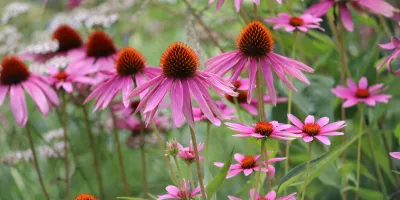
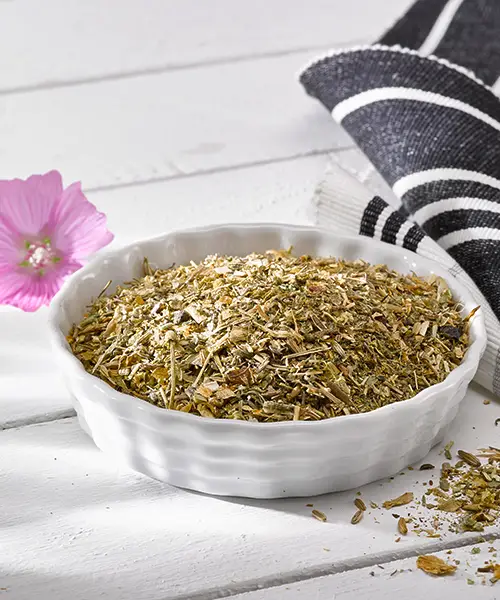
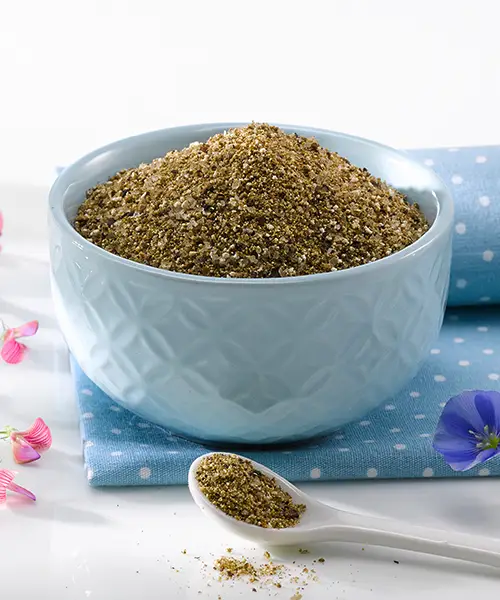
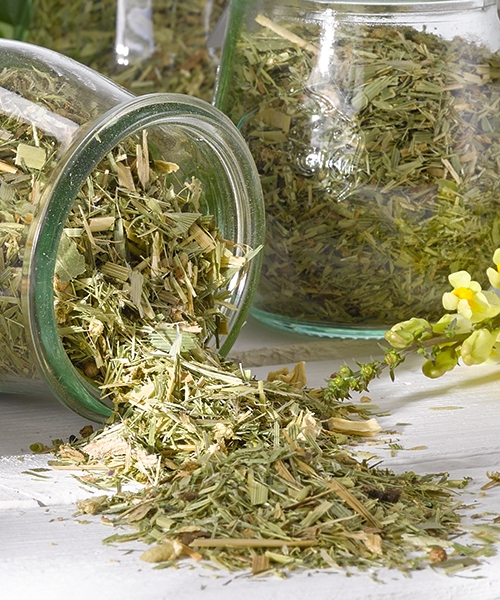
You can support your horse during this time with herbal tea. Offer OKAPI Cough Herbs and OKAPI Imuno Herbs alternately—one in the morning and the other in the evening. A spoonful of honey in tea is not only appreciated by humans when they have a cold but also by horses.

Pour 1 litre of boiling water over a handful of herbs and let the mixture infuse for at least 15 minutes. Then stir in a spoonful of honey and offer the mixture lukewarm as a tea or poured over the concentrated feed or hay – depending on your horse’s preference.
If your horse already suffers from a chronic cough (COPD), consider administering OKAPI Sekretosan or providing homeopathic support with Mucosa comp. (Heel).
In severe cases, inhalation with a high-percentage saline solution may be recommended to loosen mucus and suppuration from the deep airways and paranasal sinuses.
However, please consult with your vet or contact us for personalized advice regarding these measures. We are happy to support you in preventing the harmless cold from becoming chronic.